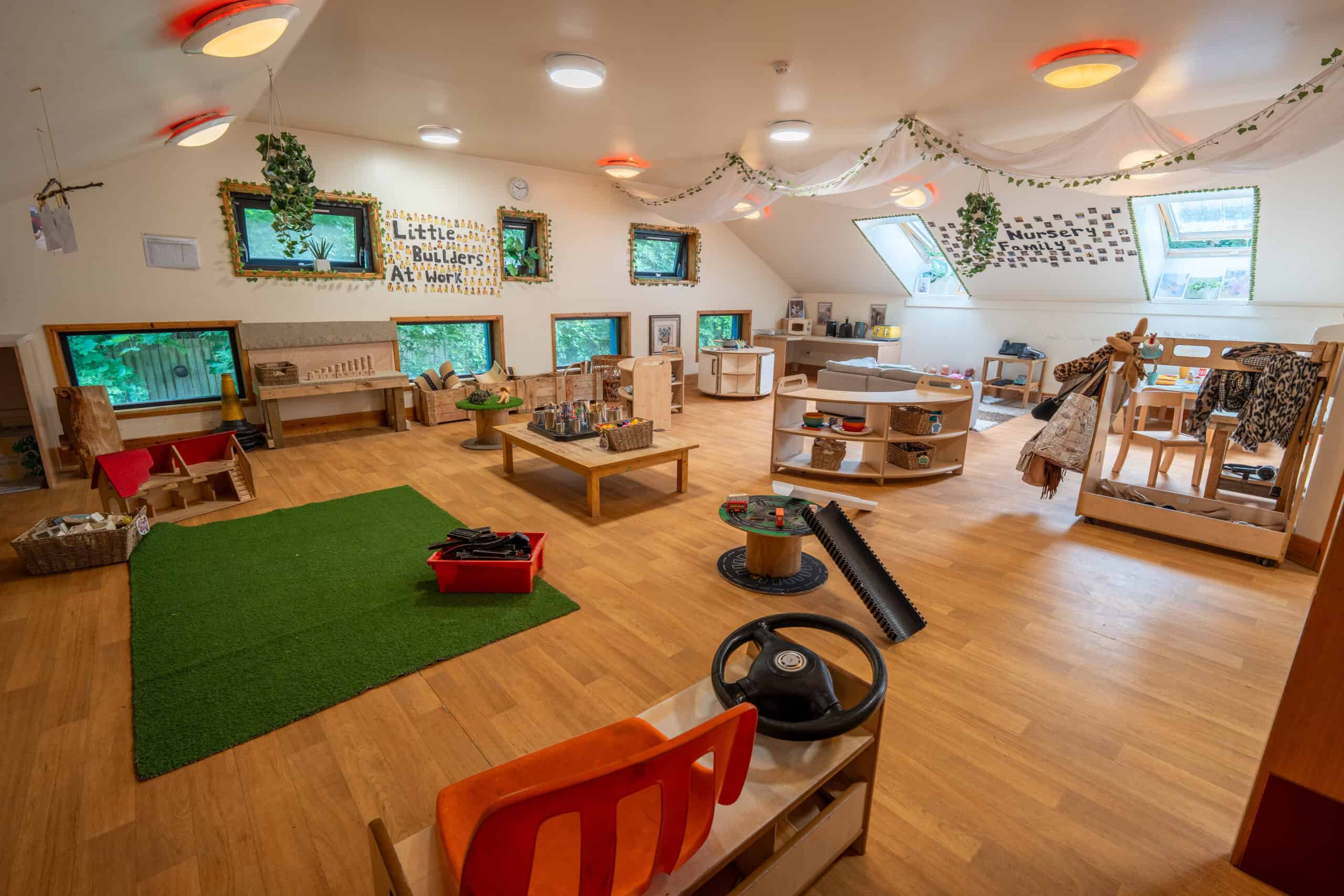
The Importance of Routine: How Predictable Days Help Children Thrive
Published on September 14, 2026

As the long days of summer draw to a close, families across the UK enter a period of transition. The arrival of September brings crisp mornings, new shoes, and a shift in domestic life. For parents, adjusting to new academic calendars, work commitments, and nursery schedules can feel like a delicate balancing act. For young children, however, this time of year represents something even more significant: a fundamental reset of their daily rhythm.
To an adult, time is measured by clock faces and calendar appointments. To a young child under five, time is measured by the sequence of events. They do not know that it is 8:00 AM, but they do know that after breakfast, they brush their teeth and put on their coat. This distinction lies at the heart of why predictable daily routines are essential for early childhood development. When days are structured and consistent, children feel safe, secure, and ready to explore the world around them.
The Emotional and Developmental Value of Predictability
The early years are a time of immense brain development and sensory processing. Every single day, toddlers and preschoolers absorb vast amounts of new information, learning to navigate social interactions, physical challenges, and new concepts. Without a predictable structure to anchor them, this constant flow of input can quickly become overwhelming.
Predictable routines significantly reduce emotional stress and cognitive load for young children. When a child knows what comes next in their day, they do not need to spend mental energy worrying about the unknown. This sense of security directly supports self-regulation in the early years. Knowing that morning play is always followed by a comforting story and lunch allows a child’s nervous system to remain calm, which dramatically reduces anxiety and emotional meltdowns.
Furthermore, routine helps children build internal motivation and independence. When a sequence of events becomes familiar, children begin to take ownership of their actions. A two-year-old who knows that washbasin visits always follow messy play will happily run to wash their hands without needing constant prompts. This sense of mastery over their routine is vital for how we nurture resilience and help children navigate big feelings.
Finding the Right Rhythm: Nursery Hours and Family Life
As parents navigate the new school year, many consider how nursery attendance fits into their household routine. Deciding how many days or hours a child should attend nursery is a deeply personal decision, but consistency remains the most critical factor.
Children adapt far more comfortably to nursery life when their attendance follows a regular pattern. Whether a child attends two days a week or five, a fixed schedule allows them to map out their week mentally. When considering how many nursery sessions your child should attend, establishing a steady rhythm helps them build trust in the drop-off and pick-up process.
It is equally helpful to distinguish between a rigid schedule and a predictable rhythm. A healthy routine is not about forcing strict time slots onto every activity; it is about creating a logical, gentle sequence of events. This gives children a dependable framework while leaving plenty of room for spontaneous play and discovery.
Anchor Points: Constructing a Comforting Day
A successful early years routine relies on key anchor points throughout the day. These are familiar, repeated moments that give the day its structure and emotional warmth.
- Morning Drop-off: A calm, consistent morning ritual at home sets a positive tone for the entire day. Whether preparing for nursery in September or returning after a summer break, keeping drop-off routines brief and predictable helps children feel confident.
- Mealtimes and Rest: Regular meal and nap times stabilise blood sugar and energy levels. At nursery and at home, consistent rest windows are crucial for physical recovery and memory consolidation, aiding in supporting healthy sleep routines.
- Story or song Time Connection: Dedicating time every day for shared reading or singing in small groups acts as a wonderful emotional anchor. Enjoying a daily story time routine offers a quiet space for connection, vocabulary growth, and relaxation before transitions such as bedtime or pick-up.
- Evening Wind-down: The transition from nursery to home can be energy-draining. A predictable evening rhythm gives children the space to unwind, process their day, and reconnect with parents.
How Thrive Supports Thoughtful, Child-Focused Routines
At Thrive Childcare, we view routine not as a rigid timetable, but as a loving scaffolding that supports child-led exploration. In our nurseries, every room operates on a balanced daily rhythm that blends structured group moments with generous blocks of uninterrupted play.
When you look at a day in the life at Thrive Childcare, you will see routines designed entirely around the emotional and physical needs of young children. Our practitioners pay close attention to individual rest, meal, and play preferences. Central to this approach is the role of the key person at Thrive. Your child’s key person works closely with you to align nursery practices with your home habits, ensuring a smooth, harmonious continuum of care.
As your family settles into the rhythms of the new term, remember that perfection is not the goal. Life will occasionally disrupt your plans, and flexibility is a life skill in itself. However, by establishing warm, predictable daily patterns at home and partnering with a nursery that values thoughtful routine, you provide your child with the ultimate foundation: the confidence to know what lies ahead and the security to flourish.
Our Latest News



Preparing for Nursery: A Gentle Guide for Parents Starting in September
September, 3 2026 Read story
Why We Love Books: How Daily Story Time Shapes Confident, Curious Children
September, 3 2026 Read story
The New Quality Improvement Framework in Scotland: A Parent’s Guide to Care Inspectorate Inspections
July, 15 2026 Read story