
Why We Love Books: How Daily Story Time Shapes Confident, Curious Children
Published on September 3, 2026
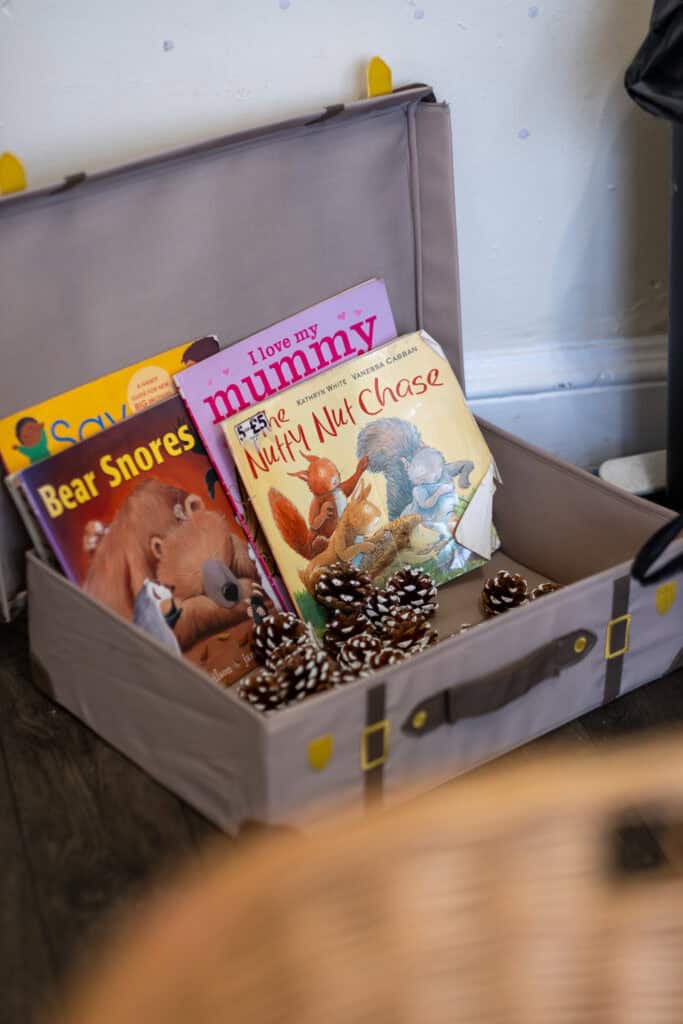
Amidst the hustle and bustle of transitions, finding moments of calm and connection is vital for young children. There is perhaps no ritual more grounding, more comforting, or more developmentally profound than daily story time.
At Thrive Childcare, we believe that reading aloud to children is much more than a quiet activity to pass the time. It is a foundational pillar of early childhood development. It is a conduit for empathy, a catalyst for imagination, and a safe harbour in a busy world. As we build upon our commitment to building early literacy and communication skills, we want to explore the profound impact of the story time ritual, how to curate a magical home library, and why cultivating reading habits at home is one of the greatest gifts you can give your child.
More Than Just Words: The Emotional Anchor of Story Time
Before a child can comprehend the complexities of plot or the mechanics of phonics, they understand the feeling of being read to. Story time is an inherently intimate act. When you pull your child into your lap, open a book, and begin to read, you are giving them your undivided attention. In a world increasingly dominated by digital distractions, choosing to sit down with a physical book is a powerful statement of love and presence.
This shared experience serves as an emotional anchor. For children navigating the emotional hurdles of the back-to-school season—whether they are settling into a new nursery room or preparing for a seamless transition to primary school—the predictable rhythm of a daily story provides immense comfort. The world outside may be changing, filled with new faces and new rules, but the feeling of snuggling up with a parent and a favourite book remains a reliable constant.
Furthermore, stories provide a safe framework for children to process big emotions. When a child reads about a bear who is afraid of the dark, or a little owl who misses its mother, they realise they are not alone in their feelings. Books give them the vocabulary to articulate their internal world, fostering emotional intelligence and resilience. By choosing books over tablets before bed, parents are also maintaining a balanced approach to screen time, replacing blue light with the soothing cadence of a loved one’s voice, which is essential for winding down after a highly stimulating day at nursery.
The Developmental Magic: Building Brains and Voices
While the emotional benefits of reading aloud are beautiful, the cognitive and developmental benefits are nothing short of extraordinary. From the moment they are born, children are hardwired to absorb language. Daily reading acts as a high-octane fuel for this linguistic engine.
When you read aloud, you expose your child to a richer, more diverse vocabulary than they typically encounter in everyday conversation. Books contain rare words, poetic phrasing, and complex sentence structures that stretch a child’s linguistic boundaries. This exposure is critical for robust speech and language development. Children who are read to daily hear millions more words by the time they start school compared to those who are not. This “million-word gap” plays a significant role in their future academic success.
But it’s not just about vocabulary. Listening to stories helps children understand narrative structure—the concept of a beginning, middle, and end. It teaches cause and effect, enhances memory, and sharpens listening skills. As they follow along, children begin to understand that the squiggles on the page translate to the sounds coming out of your mouth, laying the essential groundwork for phonics and independent reading.
It is fascinating to watch how a child’s interaction with books evolves across different child development stages. A six-month-old may simply want to chew on a board book, experiencing it sensorially. A two-year-old might delight in pointing out familiar animals and enthusiastically filling in the missing words of a rhyming couplet. By the age of four, that same child is asking complex questions about the characters’ motivations and predicting what will happen next. Every stage is a vital stepping stone in their cognitive journey.
Mirrors, Windows, and Sliding Glass Doors: The Art of Book Selection
To truly spark a love for reading, the books you choose matter. Dr. Rudine Sims Bishop famously coined the metaphor that children’s books should be “mirrors, windows, and sliding glass doors.”
Mirrors: Children need books that reflect their own lives, families, and cultures. Seeing characters who look like them, live in similar neighbourhoods, or share their family structures validates their existence and builds self-esteem.
Windows: Equally important are books that act as windows, allowing children to look out into worlds completely different from their own. These books build empathy, celebrate diversity, and teach children that while the world is vast and varied, our shared humanity connects us all.
Sliding Glass Doors: Finally, the best books allow children to step through a sliding glass door, immersing themselves entirely in the realm of imagination and play.
When selecting books for your home library, variety is the spice of early literacy.
- For Babies and Young Toddlers: Look for sturdy board books with high-contrast images, simple concepts (colours, numbers, shapes), and photos of other babies’ faces. Books with tactile elements—like fluffy patches or crinkly pages—are fantastic for sensory engagement.
- For Older Toddlers: Rhythm, rhyme, and repetition are your best friends. Toddlers love to anticipate what comes next. Books with a catchy refrain allow them to participate in the storytelling, turning passive listening into an active, joyous chorus.
- For Preschoolers: This is the age where complex narratives truly begin to shine. Look for books with engaging plots, gentle conflicts that are resolved by the end, and rich illustrations that tell a story beyond the text. This is also the perfect time to introduce non-fiction books about topics they are fascinated by, whether that’s dinosaurs, space, or how plants grow.
The golden rule of book selection? Follow your child’s interests. If they are currently obsessed with diggers, lean into it. A book about construction vehicles is just as valid a tool for building literacy as a classic fairy tale.
From Passive Listening to Active Engagement: Reading Together
The magic of story time is amplified not just by what you read, but how you read it. Reading aloud shouldn’t be a one-way performance; it should be a conversation. Educators refer to this as “dialogic reading,” a technique where the adult and the child frequently switch roles, so the child learns to become the storyteller with the assistance of the adult.
You don’t need a degree in education to practice dialogic reading at home. It simply involves pausing and inviting your child into the narrative.
- Ask Open-Ended Questions: Instead of asking, “Is the dog brown?” (which elicits a simple yes or no), ask, “What do you think the dog is going to do next?” or “How do you think the little girl is feeling right now?”
- Follow Their Lead: If your child interrupts the story to point out a tiny ladybird in the background of the illustration, stop and talk about the ladybird. The goal is engagement, not rushing to the finish line of the book.
- Relate the Story to Their Life: “Look, the bear is having porridge for breakfast! What did you have for breakfast today?” Making these connections helps solidify their understanding of the world.
- Be Theatrical: Don’t be afraid to be silly. Use distinct, funny voices for different characters. Whisper when the story gets suspenseful and cheer when the hero triumphs. Your enthusiasm is contagious; if you show that reading is fun, they will believe it too.
These interactive reading techniques do more than build comprehension; they are brilliant nursery activities to encourage creativity and imagination at home. By asking a child to imagine what happens beyond the edge of the page, you are nurturing a creative mindset that they will carry into their independent play.
Designing Your Home Reading Ritual
Creating a lasting reading habit doesn’t require hours of free time or a meticulously curated, Instagram-worthy library. It is about consistency, accessibility, and association.
First, make books easily accessible. Place them in low baskets in the living room or on forward-facing shelves in their bedroom where they can see the covers. If books are kept out of reach, they become precious objects rather than everyday tools for exploration. Encourage your child to handle books independently, even if they are just turning the pages and looking at the pictures.
Second, weave reading into the fabric of your daily routine. While a quick story after lunch is wonderful, the most powerful time for reading is often right before bed. Incorporating story time into your evening wind-down signals to your child’s brain that the busy day is over. It lowers their heart rate and helps transition their bodies toward rest, which is a vital component of establishing healthy sleep routines. Make it cosy—dim the lights slightly, pile up the cushions, and let the magic of the story ease them into slumber.
Finally, remember that you are your child’s first and most important teacher. Let them see you reading. Whether it’s a novel, a newspaper, or a recipe book, children model the behaviour they see. If they observe that the adults in their lives value reading, they will naturally adopt that value as their own.
The Next Chapter Begins with You
At Thrive Childcare, we fill our days with stories. Our educators thoughtfully select books that challenge, comfort, and inspire the children in our care. However, we know that the most profound learning happens when the lessons of the nursery are echoed in the living room. We are passionate about the parent partnership in early education, because when we work together, the positive impact on a child’s development is truly limitless.
As we embrace the back-to-school season, let us commit to slowing down. Let us promise to find ten minutes each day to turn off the screens, quiet the outside world, and open a book. In those quiet moments, you are doing so much more than reading a story. You are building their vocabulary, shaping their worldview, and filling their emotional cup. You are raising a confident, curious child who is ready to write their own incredible story.
So tonight, grab a book, pull them close, and turn the page. The adventure awaits.
Our Latest News


Preparing for Nursery: A Gentle Guide for Parents Starting in September
September, 3 2026 Read story
Our Nursery Brochure
We will guide you through every step of your childcare journey and help you discover everything you need to know about our nursery. Come and join our family of nurseries across the UK. If you have any questions or enquiries, please feel free to contact us.
Alternatively, why not book a personal tour of our nursery where one of our friendly team will be happy to answer any questions you may have.