
Loose Parts and Open-Ended Play: Why Less is More in Early Learning
Published on October 7, 2026
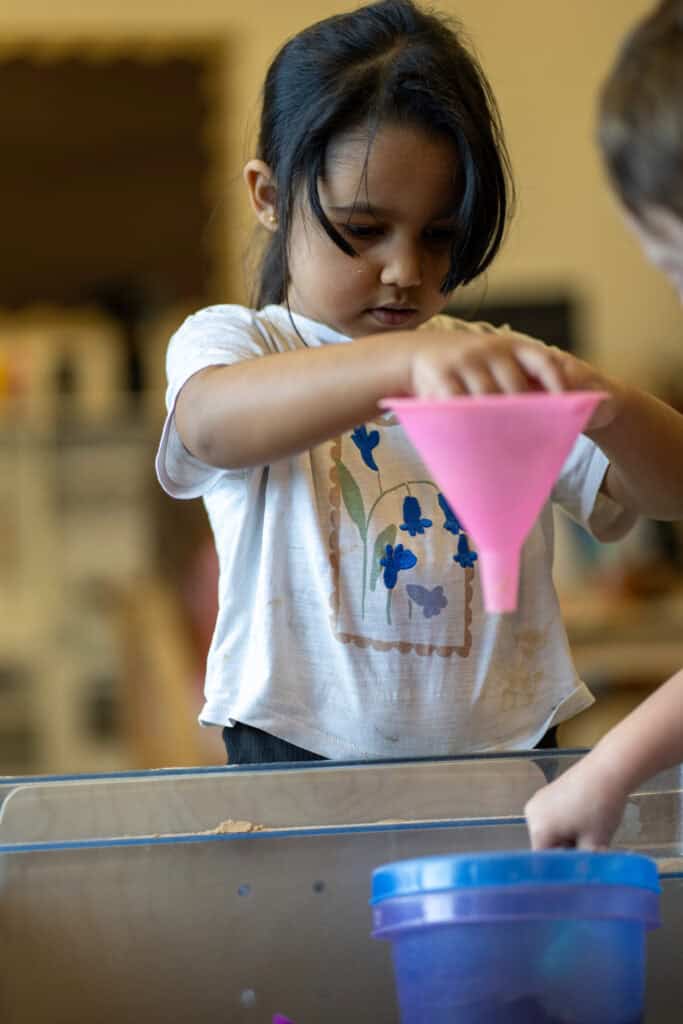
Most parents have seen it happen. You buy a brand-new toy, wrap it carefully, and watch your child unwrap it with delight. Ten minutes later, the toy lies forgotten while they happily play with the cardboard box it came in. The box becomes a car, then a cave, then a rocket ship.
This is not a quirk of childhood. It is a powerful clue about how young children learn best. At Thrive, it sits at the heart of our approach to loose parts play, a philosophy built on the idea that the simplest materials often unlock the richest learning.
What Are Loose Parts?
Loose parts are materials that children can move, carry, combine, take apart, and use in endless ways. There are no instructions and no right or wrong way to play with them. Think pine cones, pebbles, wooden blocks, fabric scraps, shells, buttons, cardboard tubes, crates, and lengths of rope.
The idea was first described in 1971 by architect Simon Nicholson in his “Theory of Loose Parts”. He argued that the more variables an environment offers, the more creative and inventive the people in it become. Five decades on, his theory remains a cornerstone of modern early years practice.
Why Less Is More
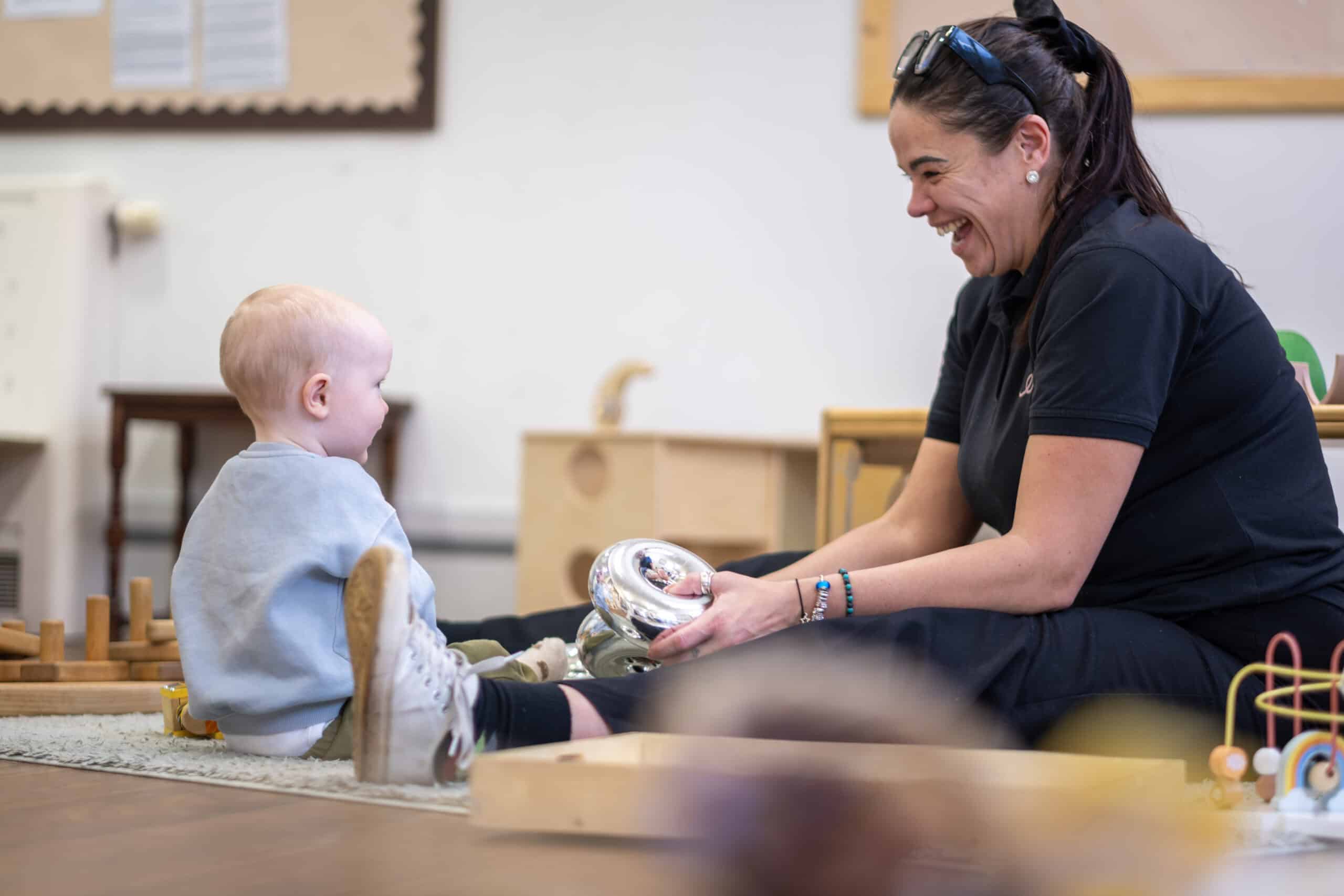
Many modern toys are designed to do one thing. Press a button and a song plays; slot the shape into the matching hole and the task is complete. These toys can be fun, but once a child has worked out what they do, there is little left to discover.
Open-ended materials work the other way round. A wooden ring could be a steering wheel, a biscuit in a pretend bakery, or the start of a pattern. Because the object does not dictate the play, the child does. They become the designer, the storyteller, and the engineer, and the learning lasts as long as their imagination does.
This is the power of play at its purest: child-led, flexible, and driven by genuine curiosity rather than a fixed outcome.
Building Creative Problem-Solvers
When children play with loose parts, they are constantly testing ideas. Will this plank bridge the gap between two crates? How can I stop my tower from toppling? What happens if I roll the pebble down the tube? Each question invites them to experiment, adjust, and try again, building resilience and flexible thinking along the way.
Loose parts also support learning across the whole curriculum:
- Creativity and Imagination: With no set purpose, every object becomes a prop in a story, making loose parts ideal activities to encourage creativity and imagination.
- Early Maths: Sorting, counting, comparing sizes, and making patterns all happen naturally, helping us build a love for maths in the early years.
- Science and Engineering: Ramps, balance, and construction introduce early ideas about forces and materials, just as we spark curiosity with early STEM.
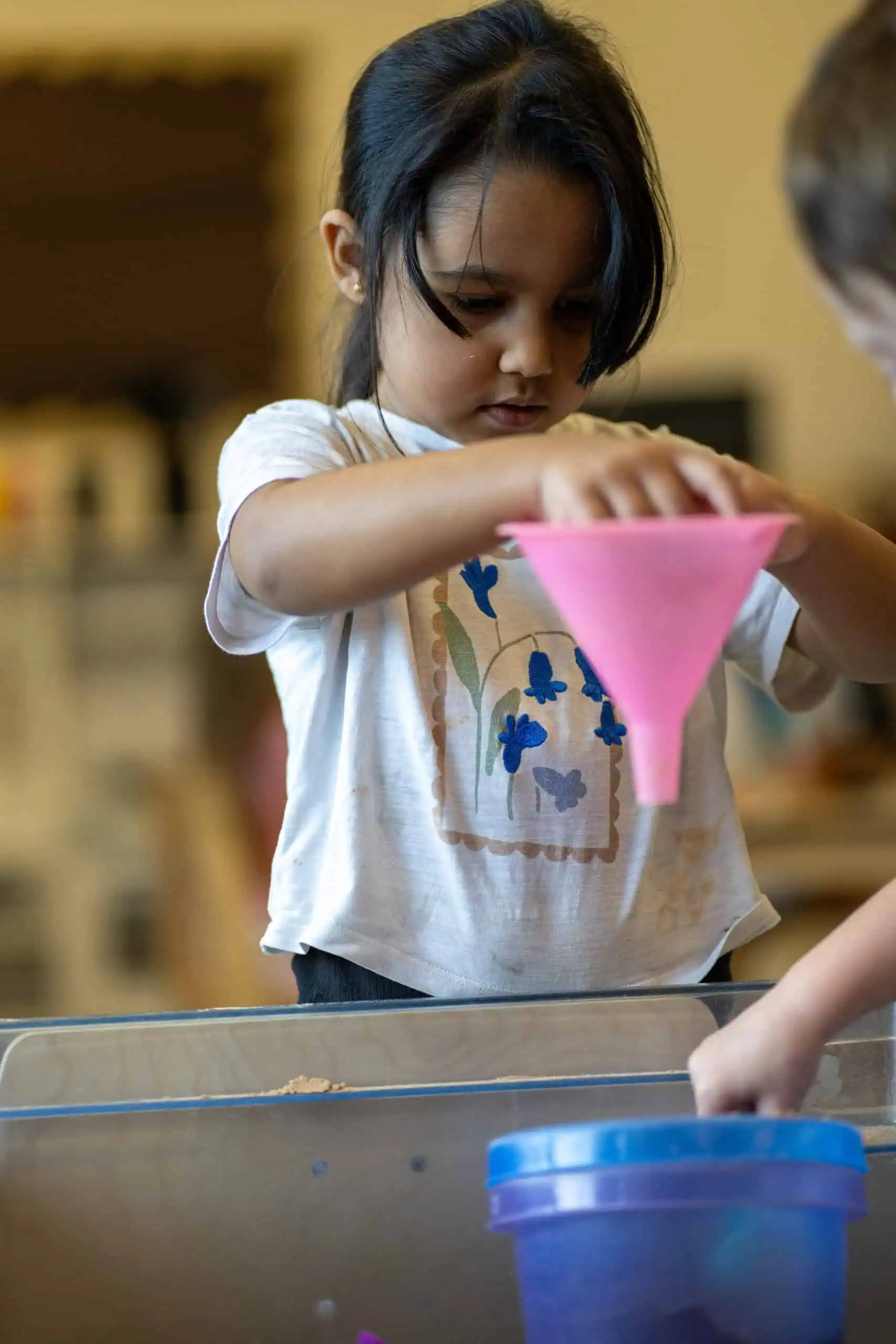
- Fine Motor Skills: Picking up buttons, threading rings, and stacking stones strengthen the small muscles needed for pre-writing skills.
- Social Skills: Big projects, such as building a den, encourage children to share, negotiate, and work as a team, which is wonderful for building friendships.
Loose Parts at Thrive
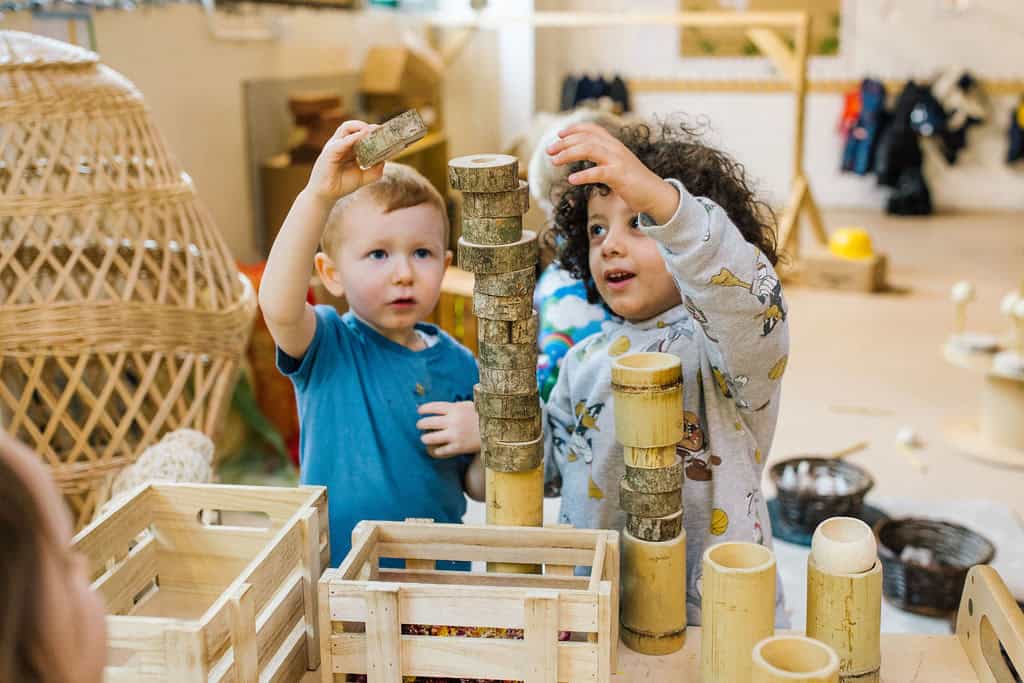
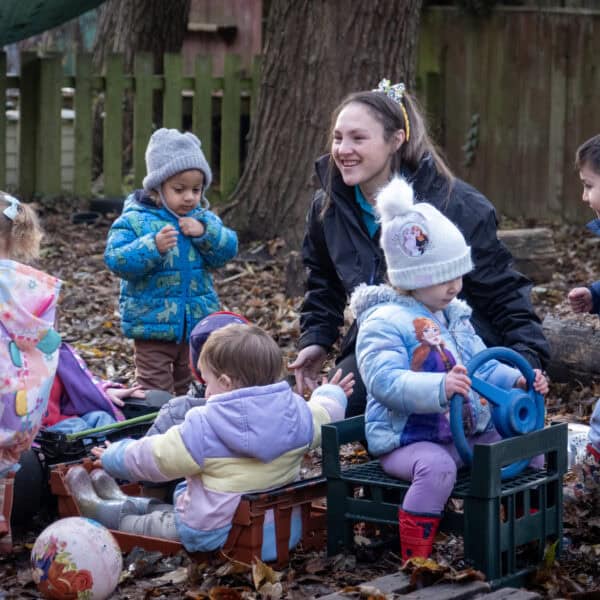
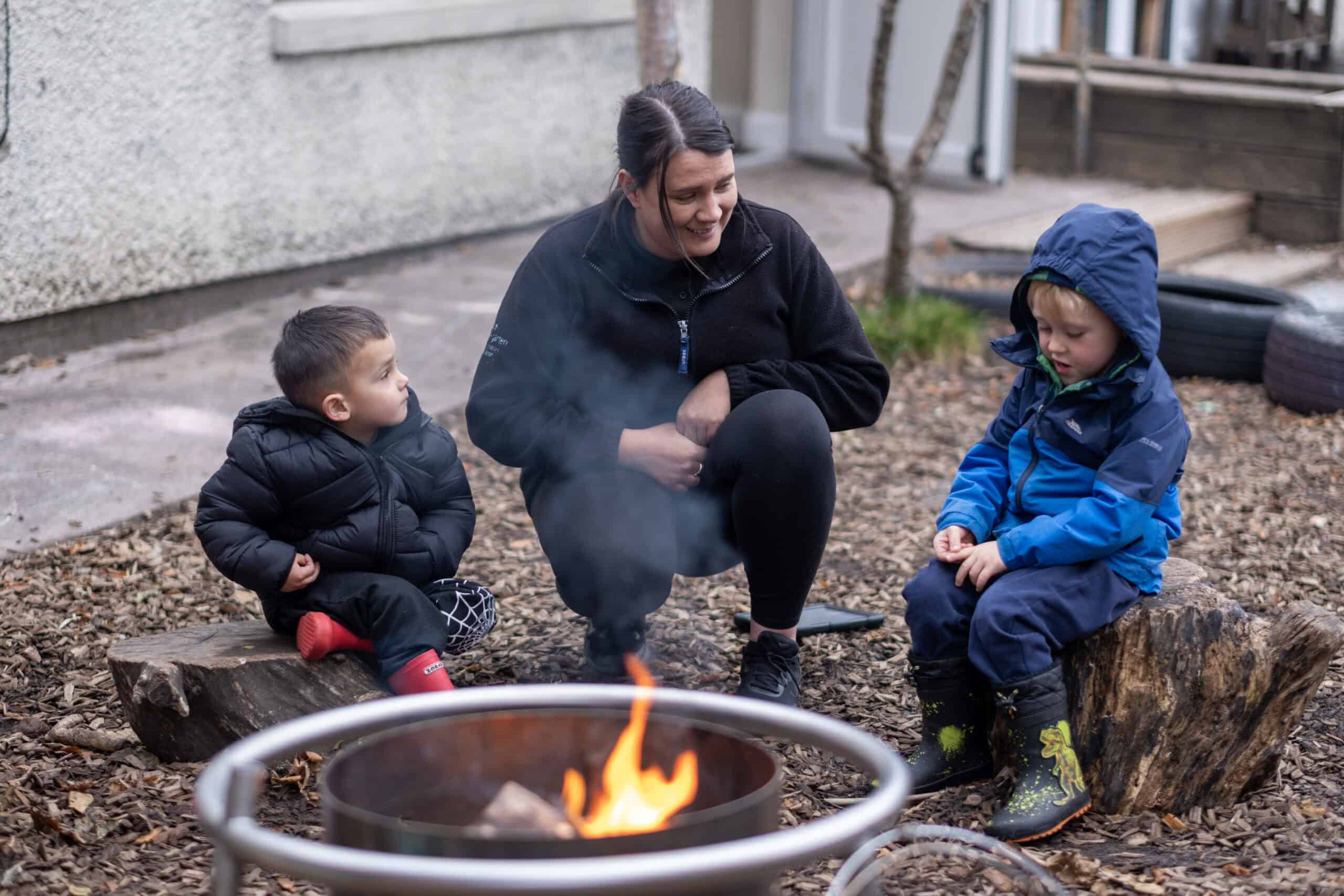
Across our nurseries, you will find baskets of natural and recycled treasures in every playroom and garden. Indoors, children explore wooden rings, fabric, shells, and tubes. Outdoors, our nature kindergarten approach brings in logs, tyres, crates, and planks for larger-scale building.
Our practitioners play a thoughtful but light-touch role. Rather than directing play, they observe closely, ask open questions such as “I wonder what would happen if…?”, and add new materials to extend a child’s interests. Larger loose parts also give children the chance to assess challenges for themselves, reflecting why we champion positive risk-taking.
Every resource is chosen with care and matched to each age group, so our youngest children only explore items that are large enough to be safe.
Recreating Loose Parts Play at Home
The best part about loose parts is that you probably already have plenty at home, and they cost little or nothing. Here are a few simple ways to get started:
- Start a Treasure Basket: Fill a basket with wooden spoons, pegs, cardboard tubes, fabric scraps, and natural finds from a walk, then let your child explore freely.
- Save Your Recycling: Clean boxes, egg cartons, bottle lids, and kitchen roll tubes make brilliant building materials.
- Bring the Outdoors In: Collect pine cones, leaves, and smooth stones together, and see what your child creates with them.
- Step Back: Resist the urge to show your child what to make. Simply offer the materials, watch, and follow their lead.
Always supervise loose parts play and check items are suitable for your child’s age. Anything small enough to fit inside a toilet roll tube is a choking risk for under-threes, so save smaller items for older children.
Trusting Children with Possibility
Loose parts play asks something simple of the adults around a child: to trust them. When we offer fewer prescriptive toys and more open-ended possibilities, children show us just how capable, inventive, and resourceful they are.
So next time your child abandons a new toy for the box it came in, take it as a good sign. They are not missing the point of the present. They have found something even better: a world of possibility, waiting to be built.
Our Latest News
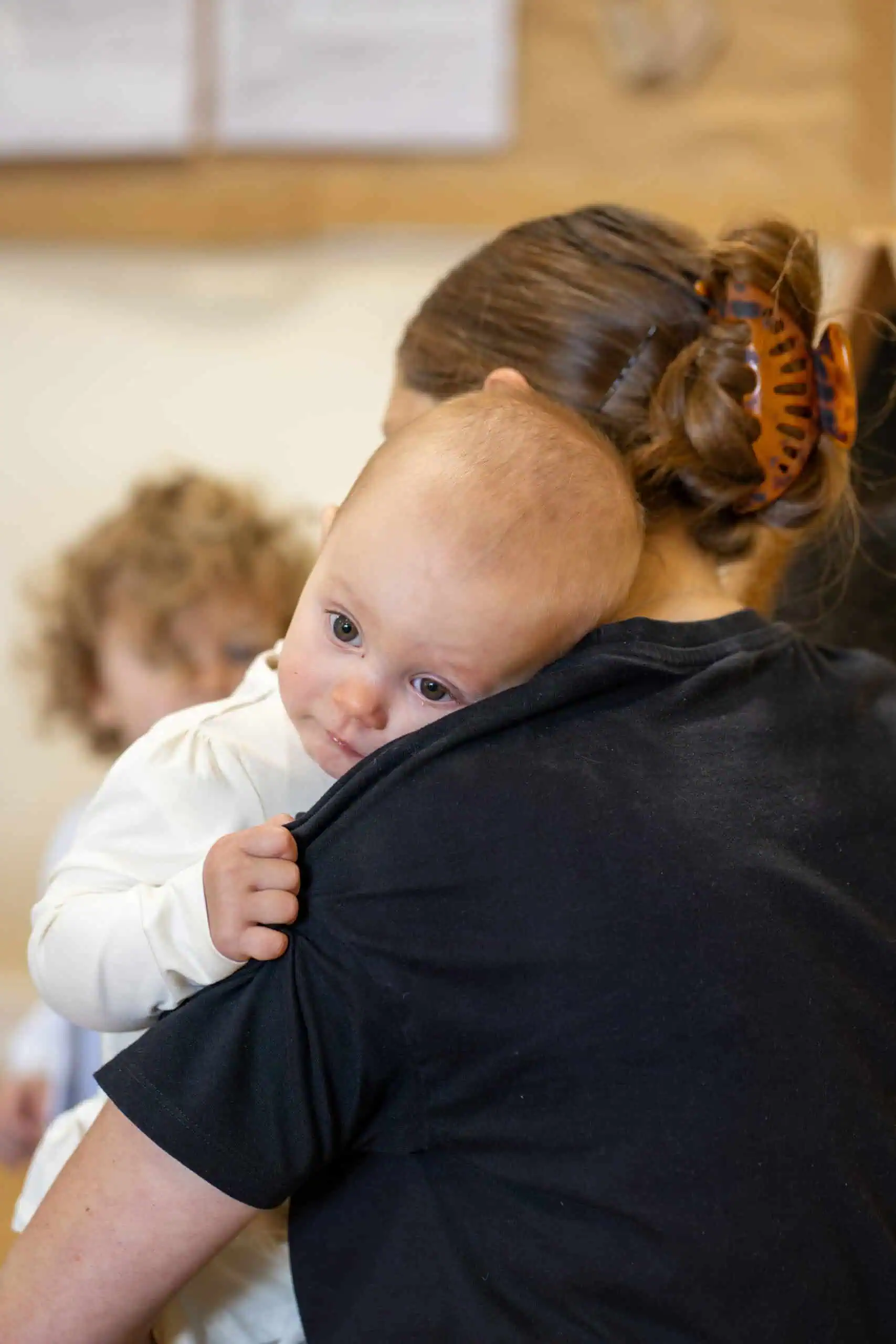
Preparing for Nursery: A Gentle Guide for Parents Starting in September
September, 3 2026 Read story
Our Nursery Brochure
We will guide you through every step of your childcare journey and help you discover everything you need to know about our nursery. Come and join our family of nurseries across the UK. If you have any questions or enquiries, please feel free to contact us.
Alternatively, why not book a personal tour of our nursery where one of our friendly team will be happy to answer any questions you may have.