
A Stress-Free Christmas: How to Keep the Magic Alive Without the Overwhelm
Published on November 12, 2026

Christmas with young children can be wonderful. There is the wide-eyed wonder at the first lights on the tree, the excitement of a stocking, and the chance to see familiar traditions through fresh eyes. It can also be exhausting. Late nights, busy shops, packed diaries and a house full of visitors can leave little ones overtired and parents running on empty.
A calmer Christmas does not have to be a less special one. Young children rarely remember the most expensive present or the perfectly laid table. What stays with them is how the season felt: warm, safe and shared with the people they love. In this guide, we share practical ways to manage overstimulation, keep routines steady, simplify gift-giving and look after your own wellbeing, so the whole family can enjoy the festive season.
Why Christmas Can Feel Like a Lot for Little Ones
For adults, the festive season is a break from the everyday. For babies and toddlers, it can feel as though every familiar thing has changed at once. There are flashing lights, new music, unfamiliar faces, rich food, later bedtimes and days that no longer follow their usual pattern.
Young children are still learning to process what they see, hear and feel, and they cannot yet filter out what they do not need. When too much comes in at once, they can quickly become overloaded. The result is often a child who seems naughty or out of sorts, when they are simply tired and overwhelmed.
Spotting the Signs of Overstimulation
Every child shows it differently, but common signs include:
- rubbing their eyes, yawning or pulling at their ears
- turning their head away, burying their face or clinging to you
- crying more easily or becoming upset over small things
- becoming unusually loud, silly or hyperactive
- refusing food or struggling to settle to sleep
Babies may also arch their back, clench their fists or avoid eye contact.
When you notice these signs, the most helpful thing is usually a change of pace. Move to a quieter room, dim the lights, and offer a cuddle, a drink or a familiar comforter. Speak slowly and softly. Children take their cue from the adults around them, so staying calm yourself makes a real difference. In early years settings, this is known as co-regulation, and you can read more about it in our guide to how we help children understand their emotions.
Planning ahead helps too:
- Choose one main outing or event a day, rather than fitting several into one afternoon.
- Plan visits around naps and mealtimes where you can.
- Set up a calm corner at home with a few books and a blanket, or ask the host for a quiet room at gatherings.
- Leave a party early if you need to. One happy hour is better than three tearful ones.
Keeping Routines Steady Without Being Rigid
Routines help young children feel safe because they know what is coming next. You do not need to stick to the clock over Christmas, but keeping a few anchor points in place can prevent a lot of tears. The most useful are usually:
- regular mealtimes and snacks
- naps, even if they happen in the pram or the car
- a familiar bedtime routine, such as bath, story and song, even when bedtime itself is later
If you have a late night, plan a quieter day afterwards so your child can recover.
Children also cope better with change when they know it is coming. Talk through the day at breakfast: “This morning we are going to Grandma’s house. We will have lunch there, then come home for your nap.” For older toddlers and preschoolers, a simple picture calendar showing the days until Christmas, and what is happening on each one, can help them make sense of a busy fortnight. Our article on the importance of routine explains why predictable days matter so much at this age.
Simplifying Gift-Giving
It is easy to feel that more presents mean more joy, but young children can become overwhelmed by a big pile of parcels. Many toddlers are just as happy with the wrapping paper and the box.
Fewer toys can also lead to better play. A 2018 study from the University of Toledo found that toddlers given four toys played with each one for longer, and in more varied ways, than toddlers given sixteen.
A few ideas that help:
- Try the “something you want, something you need, something to wear, something to read” approach to keep things focused.
- Choose open-ended toys such as wooden blocks, fabric scarves, art materials or a play kitchen, which can be used in many different ways as your child grows. Our article on loose parts and open-ended play explains why less is often more.
- Give experiences instead of objects, such as a family day out, swimming lessons or a trip to a farm.
- Let relatives know what your child would enjoy, or suggest they club together for one larger gift.
- Spread the unwrapping out. There is no rule that every present has to be opened before lunch.
- Put some gifts away and bring them out over the following weeks. Rotating toys keeps them interesting for longer.
Keeping gifts and decorations safe: Check age labels carefully, as toys with small parts are not suitable for children under three. Take particular care with button batteries, which are found in many toys, remote controls, musical cards and light-up decorations. If swallowed, they can cause serious internal injuries within hours. Make sure battery compartments are secured with a screw, and if you think your child has swallowed one, go to A&E straight away. It is also worth hanging glass baubles and small decorations out of reach.
Festive Food and Treats
Christmas food is part of the fun, and there is no need to avoid treats altogether. Keeping meals and snacks at regular times helps keep energy levels and moods more even.
Big, unfamiliar festive meals can feel like a lot for young children.
Offer small portions alongside at least one food they know and like, and try not to worry if they eat very little on the day. Involving children in simple cooking, such as decorating biscuits or stirring a mixture, is a lovely way to build their confidence with new foods. For more ideas, see how we nurture adventurous eaters and manage fussy eating.
Some festive foods carry a choking risk. The NHS advises against giving whole nuts to children under five, and small round foods such as grapes and cherry tomatoes should be cut into quarters lengthways. Keep bowls of nuts and sweets out of reach at gatherings.
Family Gatherings and Visitors
Seeing family is often at the heart of Christmas, but a room full of people can feel overwhelming for a little one, even when they know everyone there. Give your child time to warm up when you arrive. Let them stay close to you, watch from your lap and join in when they are ready.
It is also fine to let your child decide whether they want to give hugs and kisses. A wave or a high five is just as friendly, and respecting their choice helps them learn that their feelings about their own body matter. A quick word with relatives beforehand can avoid any awkwardness on the day.
Tantrums and meltdowns are more likely when children are tired and out of routine, so try not to see them as a reflection of your parenting. Stay calm, move somewhere quieter if you can, and help your child put a name to how they feel. Supporting self-regulation in these moments helps children build skills they will use for life.
Looking After Your Own Wellbeing
It is easy to put your own needs last in December, but children quickly pick up on our stress. A calmer parent usually means a calmer child.
- Lower the bar. The day does not need to be perfect to be special.
- Say no to some invitations. You do not have to attend every event.
- Share the load. Ask a partner, family member or friend to take on specific jobs, from cooking to wrapping.
- Keep the traditions that mean something to you and let go of the rest.
- Find a few minutes for yourself each day, whether that is a walk, a hot drink while it is still hot, or an early night.
If the festive season is a difficult time for you, for whatever reason, be gentle with yourself and reach out to someone you trust.
Small Moments of Magic
The moments children treasure most are often the simplest. You could:
- go for a frosty walk and collect pine cones, twigs and leaves to decorate the house
- make paper chains, paper snowflakes or homemade cards together
- wrap up warm and go to see the Christmas lights
- read a favourite festive story by torchlight
- make a kindness calendar, with a small act of kindness each day, such as drawing a picture for a neighbour
- leave a carrot out for the reindeer and look for hoof prints in the morning
Making decorations from natural materials is also a gentle way to talk about caring for the planet, something we explore through our conservation work at nursery. For more ideas, take a look at our nursery activities to encourage creativity and imagination at home.
Heading Back to Nursery in the New Year
After the Christmas break, it is completely normal for children to feel a little unsettled when nursery starts again. They may be clingier at drop-off or more tired than usual for the first few days.
You can help by returning to your usual bedtime a few days before nursery restarts, talking positively about seeing their friends and key person, and keeping goodbyes short and warm. Most children settle back in quickly once they are back in their familiar routine. Our tips for settling into nursery work just as well after a holiday as they do at the very start.
Wishing You a Calm and Happy Christmas
The best gift you can give your child this Christmas is time together, at a pace that suits your family. Keep the routines that matter, simplify where you can, and give yourself permission to enjoy the season rather than perfect it.
From all of us at Thrive Childcare, we wish you and your family a very happy Christmas. If you are thinking about nursery for the year ahead, our teams would love to show you around, so come along to one of our open days or book a tour at a time that suits you.
Our Latest News
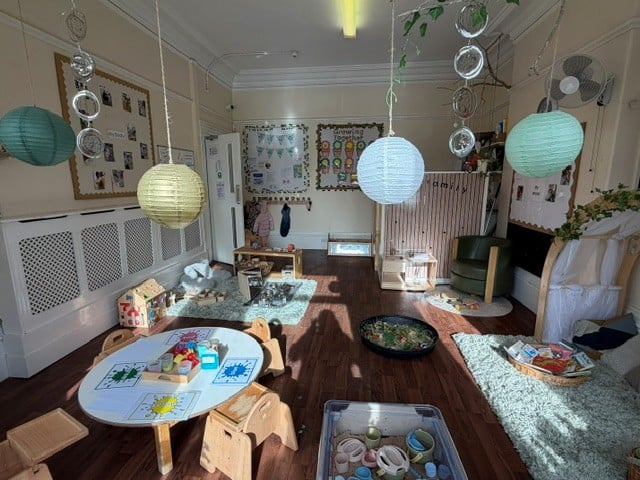

A Stress-Free Christmas: How to Keep the Magic Alive Without the Overwhelm
November, 12 2026 Read story
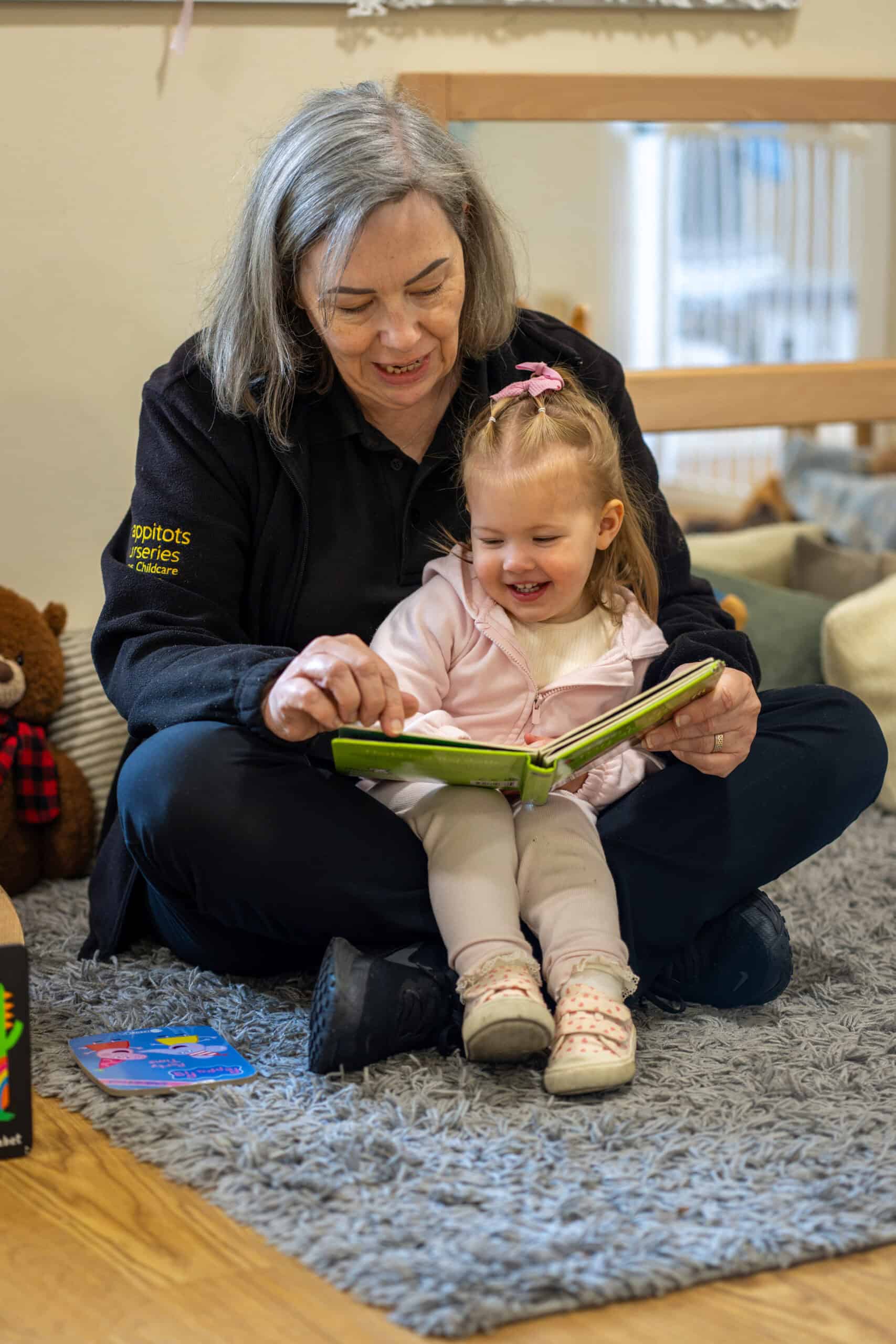

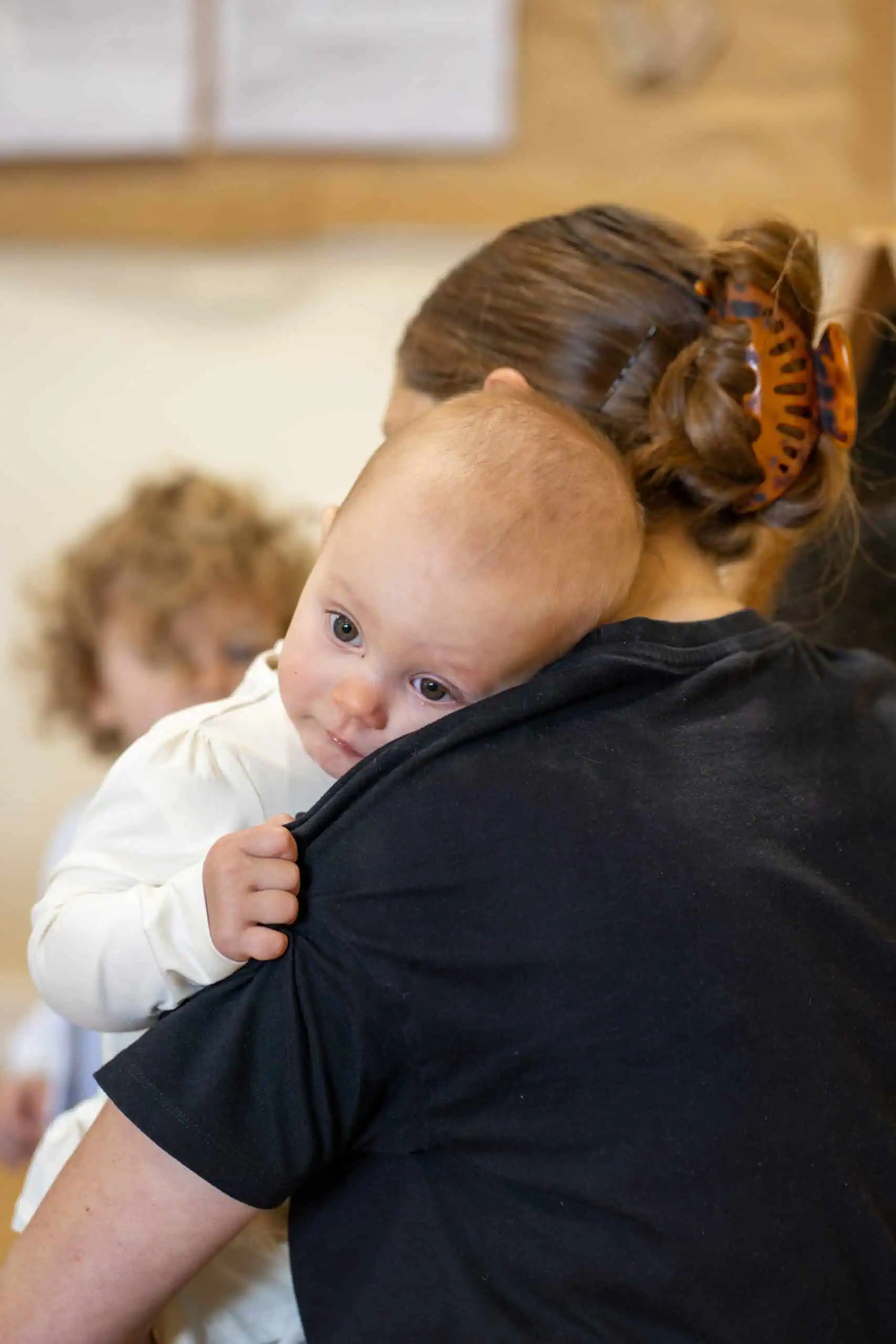

Our Nursery Brochure
We will guide you through every step of your childcare journey and help you discover everything you need to know about our nursery. Come and join our family of nurseries across the UK. If you have any questions or enquiries, please feel free to contact us.
Alternatively, why not book a personal tour of our nursery where one of our friendly team will be happy to answer any questions you may have.