
Your Guide to Choosing Childcare Before Your Baby Arrives
Published on November 12, 2026
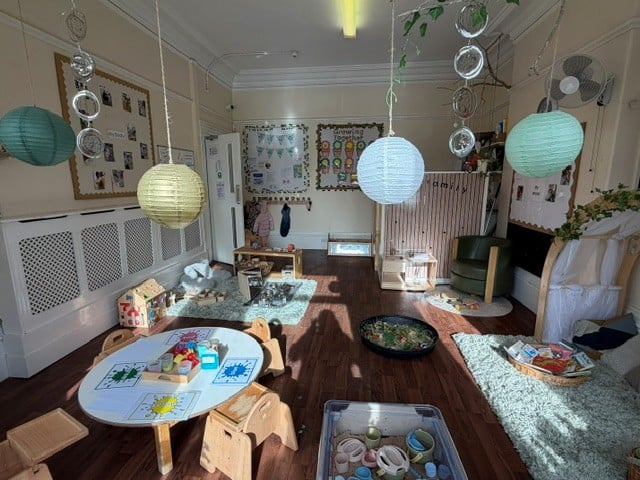
Choosing childcare is one of the first big decisions many parents make, and it often comes up long before the baby arrives.
It can feel strange to think about nursery when you have not yet met your little one. But planning ahead gives you time to understand your options, visit settings at your own pace and make a decision you feel confident about.
This guide explains the main types of childcare in the UK, what to look for when you visit, the questions worth asking about baby care, and how to plan for the costs.
Why It Helps to Start Planning During Pregnancy
The weeks after birth are busy, tiring and wonderful. Few parents want to spend them touring nurseries.
Looking at childcare during pregnancy means you can visit settings while you have more time and energy, and without a newborn to feed and change along the way. It also gives you the best chance of securing a place, as baby room places are limited and often fill months in advance.
If you plan to return to work after maternity or shared parental leave, start with your expected return date and work backwards. Our guide to what age your child should start nursery can help you think about timing.
Understanding Your Childcare Options
There are several types of childcare in the UK, and each suits different families. Here is a quick overview.
Day Nurseries
Day nurseries care for babies and young children in rooms grouped by age, usually from a few months old up to school age. Most are open all year round with long opening hours, which suits parents who work full time or have a longer commute.
Because care is provided by a team, you do not need to find backup cover when a member of staff is unwell or on holiday. Nurseries are registered and inspected by Ofsted in England or the Care Inspectorate in Scotland.
Childminders
Childminders care for a small number of children in their own home, often of mixed ages. Many parents like the homely setting and the chance for their baby to be cared for by the same person every day.
Childminders are also registered and inspected. As they usually work alone, it is worth asking what happens if they are ill or take a holiday.
Nannies
A nanny cares for your child in your own home and can work hours that fit around your family. This can help parents with irregular shifts or more than one young child.
If you employ a nanny, you become their employer, which means handling payroll, tax, National Insurance and a workplace pension. Nannies are usually the most expensive form of childcare.
Family and Friends
Some families share care with grandparents or other relatives. This can be a lovely option, but it is worth talking openly about expectations, routines and how long the arrangement can last.
Informal care from relatives is not usually eligible for government childcare funding.
Nursery Schools and School Nursery Classes
Nursery schools and nursery classes in primary schools usually take children from age three, and sometimes from two. They often follow school term dates and hours, so many families combine them with other care. They are not usually an option for babies, but they are worth knowing about for later.
Start With What Your Family Needs
Before you visit anywhere, it helps to think about what matters most to you. You might consider:
- the days and hours you will need, including travel time
- whether you want childcare close to home or close to work
- your budget, and what you would like the fees to include
- your approach to care, such as time outdoors, food or play
- how much flexibility you may need if your working pattern changes
There is no single right answer. A setting that suits one family perfectly may not suit another.
What to Look For When You Visit
A visit tells you far more than any website. Try to go during a normal day, when the rooms are busy, so you can see everyday life in the setting.
While you are there, notice:
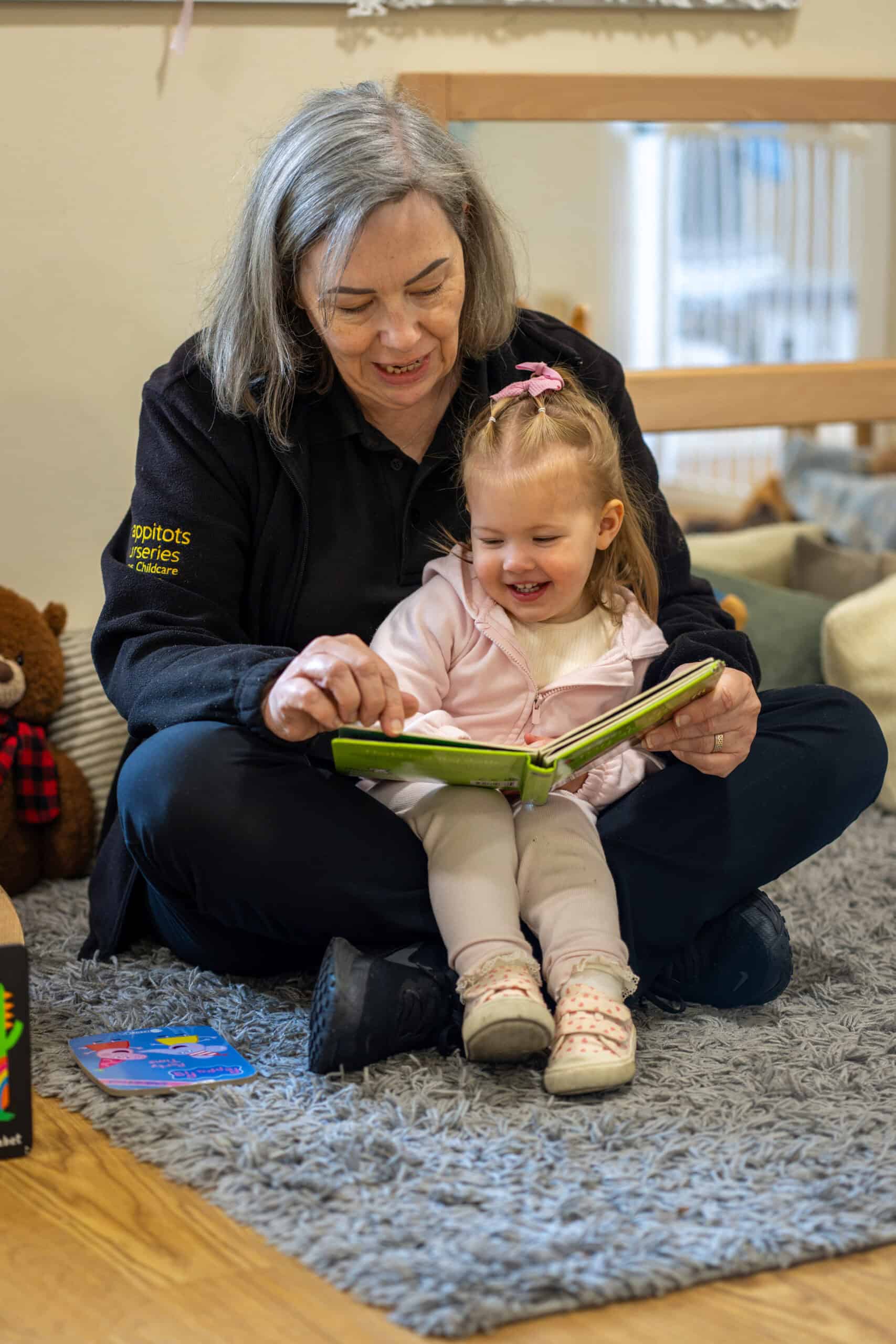
- how staff talk to and comfort the babies
- whether the babies seem settled and content
- how clean, calm and well organised the rooms feel
- whether there are calm spaces for rest and sleep
- how much time babies spend outdoors
- how long staff have worked there
Take your partner or a friend if you can, as they may notice things you miss. Our nursery tour checklist has more questions to take with you.
It is also worth reading the setting’s latest inspection report. Our guides to Ofsted report cards and Care Inspectorate inspections explain what the grades mean.
Questions to Ask About Baby Care
Caring for babies needs particular skills and routines. These questions will help you understand how a setting looks after its youngest children.
Sleep
Ask how the setting follows each baby’s sleep routine from home, where babies sleep and how often they are checked. Babies should always be placed on their backs to sleep, so it is worth asking how staff follow safe sleep guidance.
Feeding
If you plan to breastfeed, ask whether you can provide expressed milk and how it is stored. You might also ask whether formula is provided, and how the setting supports babies as they start weaning.
Comfort and Attachment
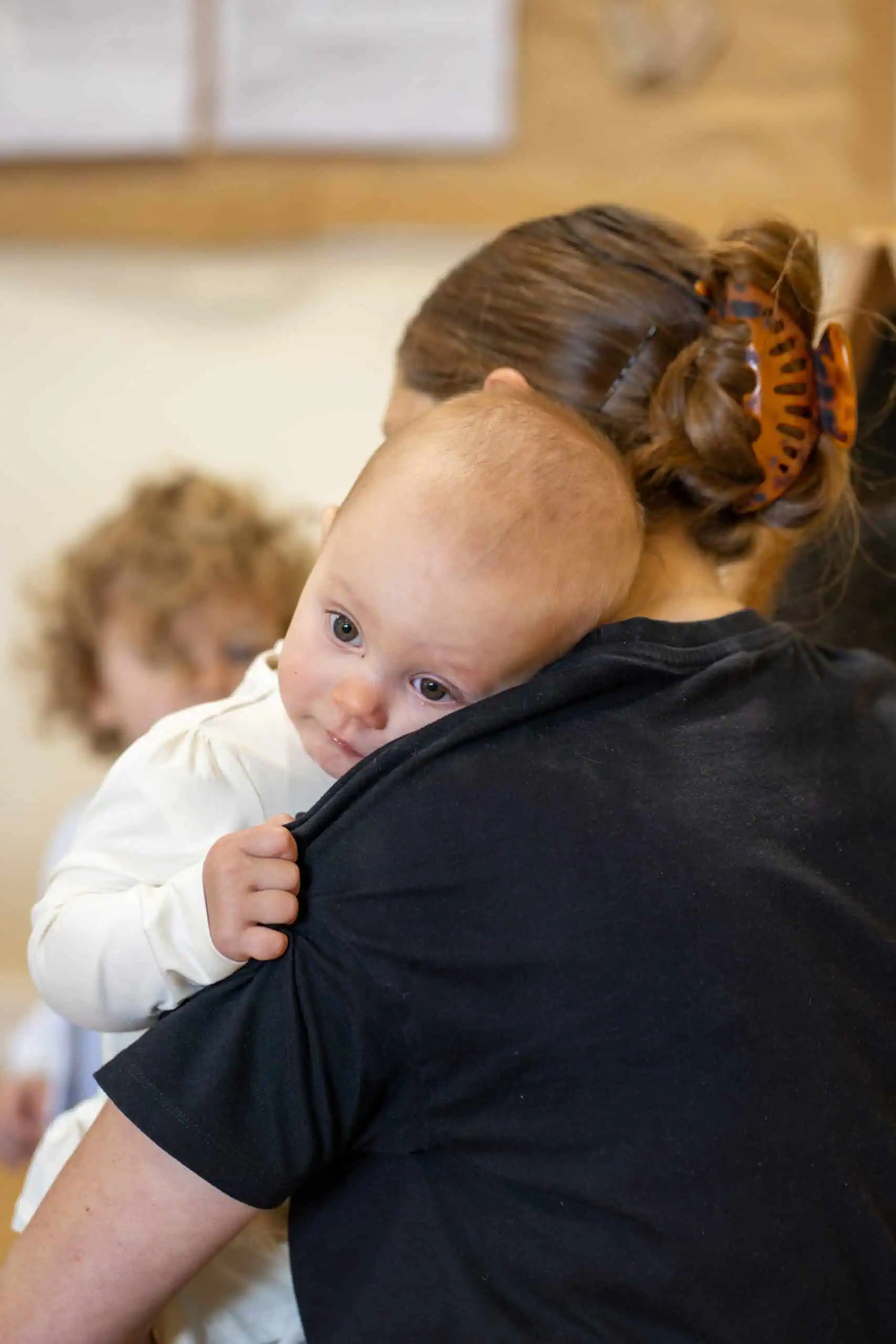
Find out who will be your baby’s key person and who steps in when they are away. Ask how staff comfort a baby who is upset, and whether your baby can bring a comforter from home.
Communication
Ask how you will hear about your baby’s day, including feeds, sleeps and nappy changes. Many settings share updates through an app as well as at pick-up.
Planning for the Costs
Childcare is a significant cost for most families, so it helps to understand the full picture early.
Start by asking each setting what their fees include. Some charge extra for meals, nappies, formula or activities, while others include them in the price.
Then look at the support available. In England, working parents may be eligible for up to 30 funded hours a week from the term after their child turns nine months. In Scotland, funded early learning and childcare is available from age three, and for some two-year-olds.
Tax-Free Childcare is available across the UK. For every £8 you pay into your account, the government adds £2, up to £2,000 per child each year, and you can use it alongside funded hours.
Funding applications need your baby’s details, so you will apply after the birth. Make a note of the deadlines so you do not miss the term you need. Our parents’ guide to nursery funding, our overview of free childcare for one to two year olds and our fees and funding page explain the options in more detail.
How We Care for Babies at Thrive
At Thrive, we welcome babies from three months old. Every baby has a key person who gets to know them and their family, and a buddy key person who steps in whenever their key person is away. You can read more about the role of the key person.
Our fees currently include nappies, wipes, formula milk, meals and snacks, and mums are welcome to provide breast milk for their baby’s feeds. Our food and nutrition page explains more about what babies and children eat with us.
Settling-in sessions are free and go at your baby’s pace, starting with you staying alongside them. You can find out more about our settling-in process.
Once your baby has started, you will receive updates and photos through the Parentzone app. To see what a typical day looks like, take a look at a day in our baby rooms.
Trust Your Instincts
After a few visits, you will often find that one setting simply feels right. That feeling matters.
You will be leaving your baby with people you need to trust completely, and feeling comfortable with them is important for you both. If something does not feel right, it is fine to keep looking.
Next Steps
If you are expecting, you can start now. Our tour booking form lets you add your due date and preferred start date, and our teams are happy to answer questions at any stage of your pregnancy.
Find your nearest nursery, come along to one of our open days or book a tour with your local team.
Our Latest News

A Stress-Free Christmas: How to Keep the Magic Alive Without the Overwhelm
November, 12 2026 Read story


Our Nursery Brochure
We will guide you through every step of your childcare journey and help you discover everything you need to know about our nursery. Come and join our family of nurseries across the UK. If you have any questions or enquiries, please feel free to contact us.
Alternatively, why not book a personal tour of our nursery where one of our friendly team will be happy to answer any questions you may have.