
The Nursery Tour Checklist: 10 Questions to Ask (Beyond the Obvious)
Published on May 1, 2026
Choosing a nursery for your child is one of the most significant and often nerve-wracking decisions you will make as a parent. It is completely normal to feel a mix of anxiety and excitement as you begin comparing your options. You are entrusting a team of professionals with your child’s well-being, development, and happiness during their most formative years.
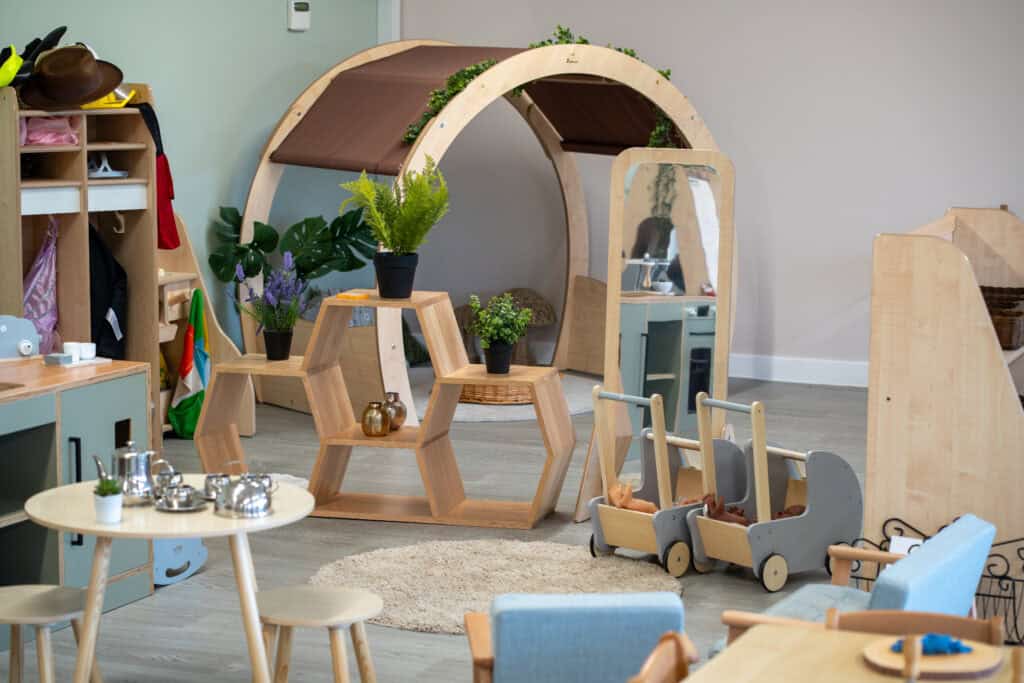
When you step through the doors of a prospective nursery, it is easy to become distracted by the aesthetics: the brightly painted walls, the pristine wooden toys, and the miniature furniture. While a welcoming environment is important, focusing purely on the surface level will not give you the full picture of how a setting operates day-to-day. A nursery tour is a crucial fact-finding mission.
To help you navigate this process with confidence, we have compiled a strategic checklist of ten essential questions to ask during your visit. These questions are designed to dig deeper, looking past the obvious to uncover the true culture, educational philosophy, and standard of care at the nursery.
1. “How do you adapt the curriculum to follow my child’s unique interests?”
Every child learns at their own pace and has their own unique fascinations—whether that is dinosaurs, building blocks, or bugs in the garden. A rigid, one-size-fits-all approach to learning rarely serves early development well.
What to listen for: The nursery manager or educator should speak enthusiastically about child-led learning. Look for a setting that values a flexible early years curriculum where educators observe what captures a child’s imagination and adapt their daily activities to nurture that spark. It shows that the nursery views your child as an individual, not just a number on a register.
2. “What is your approach to outdoor learning and ‘risky’ play?”
Fresh air and physical activity are vital, but outdoor time should be more than just a quick runaround on a rubberised playground. Furthermore, young children need opportunities to take age-appropriate risks, such as balancing on logs or navigating uneven terrain, to build confidence and physical coordination.
What to listen for: Ask how often the children go outside, is it just in fair weather, or do they embrace the elements in puddle suits and wellies? Settings that incorporate elements of a nature kindergarten or forest school philosophy understand the profound developmental benefits of exploring the natural world and taking safe, supervised risks.
3. “Beyond locked doors, how do you manage everyday safeguarding and emotional security?”
Secure entry systems is a standard expectation. However, true safety in an early years setting encompasses much more than physical security; it includes emotional safeguarding, staff vigilance, and a culture where children feel safe enough to express their feelings.
What to listen for: A strong answer will touch upon rigorous nursery safety and safeguarding policies, including continuous staff training, strict recruitment checks, and a culture of transparency. They should also mention how they ensure children feel emotionally secure, as a child who feels safe is a child who is ready to learn.
4. “How do you handle fussy eating and promote a positive relationship with food?”
Mealtimes can be a significant source of stress for parents, particularly if your child is going through a selective eating phase. The way a nursery handles meals can greatly influence a child’s long-term relationship with food.
What to listen for: The best nurseries view mealtimes as a social and educational experience. They should explain how they sit with the children, model good eating habits, and gently encourage them to try new flavours without pressure. A confident setting will have clear strategies to nurture adventurous eaters and manage fussy eating collaboratively with parents.
5. “What is your specific settling-in process, and how is it tailored to anxious children?”
The transition from home to nursery is a major milestone. A rushed or rigid settling-in period can cause unnecessary distress for both you and your child.
What to listen for: Look for a nursery that offers a staggered, gradual approach to settling into the nursery. They should invite you for stay-and-play sessions, slowly increasing the time your child spends without you. A great nursery will explicitly state that the settling-in timeline is dictated by the child’s readiness, not the calendar.
6. “How do you support the professional development and well-being of your educators?”
The quality of childcare is directly tied to the well-being and expertise of the staff. High staff turnover is an industry-wide challenge, and a nursery with a revolving door of educators cannot provide the consistency your child needs.
What to listen for: A confident nursery leader will be proud to discuss their commitment to staff training and professional development. Ask about how they support their team’s mental health and career progression. Happy, well-supported educators are more engaged, patient, and passionate about your child’s development.
7. “How does the Key Person system work in practice if my child’s educator is absent?”
The Key Person system is a requirement, ensuring every child has a primary attachment figure at the nursery. But what happens when that person is on annual leave or off sick?
What to listen for: It is not enough to just assign a name. The nursery should explain the practical, day-to-day role of the key person and, crucially, introduce the concept of a “Secondary Key Person” or “Buddy.” This ensures your child always has a familiar, trusted adult who deeply understands their routines and preferences, even during staff absences.
8. “How do you handle transitions between rooms as my child grows?”
Moving from the baby room to the toddler room, and eventually to preschool, can be an overwhelming experience for a young child if not managed with care and sensitivity.
What to listen for: Transitions should never be purely based on a child’s birthdate. The nursery should explain how they assess a child’s developmental and emotional readiness before a move. Listen for a detailed process on how they support children through nursery transitions, such as arranging short, gradual visits to the new room with their existing Key Person to build familiarity before the official move.
9. “What does daily communication look like, and how do you partner with parents?”
You want to know what your child did, what they ate, and how they slept, but you also want to be a partner in their broader educational journey.
What to listen for: The days of a quick “they had a good day” at the door are behind us. Look for a setting that utilises digital communication tools, such as the Parentzone app, to share real-time updates, photos, and developmental milestones. However, they should also emphasise that technology
Supplements, rather than replaces, meaningful, face-to-face conversations at drop-off and pick-up.
10. “How do you approach behavioural challenges and big emotions?”
Toddlers are famous for their big feelings, which can sometimes manifest as hitting, biting, or tantrums. It is vital that the nursery’s approach to discipline aligns with your own values.
What to listen for: Avoid settings that use outdated punitive measures or “naughty steps.” Instead, listen for language around co-regulation, empathy, and positive reinforcement. A progressive nursery will focus on helping children understand and manage their emotions, actively teaching self-regulation skills that will benefit them long into their school years.
Trusting Your Instincts
While this checklist provides a robust framework for evaluating your options, the final decision often comes down to a feeling. As you ask these questions, observe the environment around you. Are the educators getting down on the floor to the children’s eye level? Is the atmosphere calm yet joyful? Does the manager answer your questions with transparency, avoiding defensive or vague responses?
A truly outstanding nursery has nothing to hide and will welcome parents who ask thoughtful, challenging questions. They view your inquiry not as an interrogation, but as the foundation of a strong parent-practitioner partnership.
If you are ready to put these questions to the test and see a thriving environment in action, we invite you to book a nursery tour with us today. Come and see firsthand how we translate these vital philosophies into everyday reality for the children in our care.
Our Latest News



Preparing for Nursery: A Gentle Guide for Parents Starting in September
September, 3 2026 Read story
Why We Love Books: How Daily Story Time Shapes Confident, Curious Children
September, 3 2026 Read story
The New Quality Improvement Framework in Scotland: A Parent’s Guide to Care Inspectorate Inspections
July, 15 2026 Read story
Navigating the New Ofsted Report Cards: A Parent’s Guide to Early Years Inspections in England
July, 15 2026 Read story
Our Nursery Brochure
We will guide you through every step of your childcare journey and help you discover everything you need to know about our nursery. Come and join our family of nurseries across the UK. If you have any questions or enquiries, please feel free to contact us.
Alternatively, why not book a personal tour of our nursery where one of our friendly team will be happy to answer any questions you may have.