
Navigating the New Ofsted Report Cards: A Parent’s Guide to Early Years Inspections in England
Published on July 15, 2026
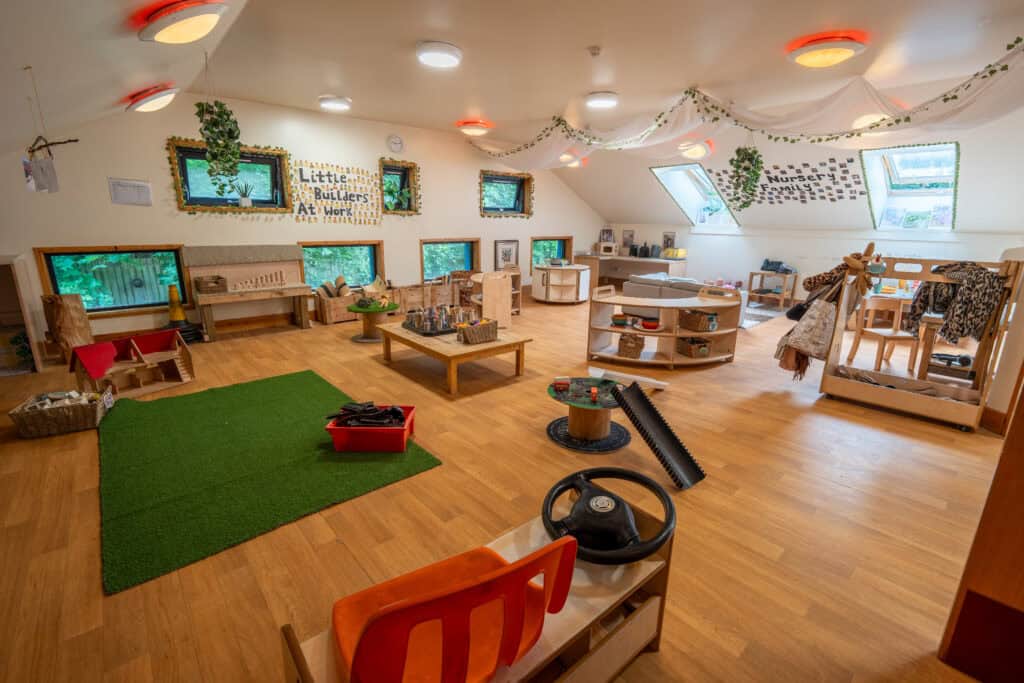
Choosing the perfect nursery for your little one is one of the most monumental milestones in early parenthood. Naturally, when you are researching local options, regulatory inspection reports become a vital port of call. For years, parents across England have been accustomed to scanning the top of an Ofsted report for a single, high-stakes label: Outstanding, Good, Requires Improvement, or Inadequate.
However, reducing a complex, nurturing early years environment down to a one-word summary rarely painted a complete picture. Following extensive consultations with parents and early years professionals, Ofsted completely overhauled its inspection reporting system. The roll-out of the parent-focused Ofsted Report Cards represents the most significant shift in educational transparency in a generation.
At Thrive Childcare, we welcome these changes. We know that busy, working parents do not have the time to decipher pages of educational jargon, which is why we have built this straightforward guide to explain exactly how the system works, what the new grades mean, and how it impacts your family’s childcare choices.
Removal of the One-Word Judgment
The headline change that parents need to know is the removal of the single-phrase “overall effectiveness” grade. Ofsted has recognised that one-word summaries were far too reductive, causing unnecessary stress for nursery teams while not giving families a realistic insight into a setting’s nuanced daily practices.
In the place of those old labels, nurseries now receive a digital, mobile-friendly Report Card. Instead of a single grade, the card evaluates a nursery across several independent, core operational and educational aspects. This allows you to see a far more balanced view: a nursery might be performing adequately in its administrative duties but delivering truly exceptional results in its day-to-day creative curriculum. This gives you the power to assess what matters most to your specific child.
Understanding the New Five-Point Grading Scale
To replace the old four-point grading system, Ofsted uses a more nuanced, colour-coded five-point evaluation scale for each core area on the report card. It is important to realise that these new grades cannot be directly compared to the legacy system; they represent a completely fresh approach to early years assessment.
| Grade | Card Colour Code | What It Means for Your Child |
| Exceptional | Blue | Sector-leading, truly outstanding practice that is among the very best nationally and worth sharing with other providers. |
| Strong Standard | Dark Green | Highly consistent, excellent work that goes comfortably beyond baseline requirements to make a distinct difference. |
| Expected Standard | Light Green | The solid, reassuring national baseline. The nursery is successfully doing everything it should be doing to care for your child. |
| Needs Attention | Amber | A clear indicator that specific improvements are required to meet the national baseline, though children are not at risk. |
| Urgent Improvement | Red | Major, systemic weaknesses have been identified, requiring immediate regulatory intervention and swift turnaround plans. |
The “Secure Fit” Rule
One of the most critical structural adjustments in the framework is the transition to a secure fit model for the “Expected Standard”. Under the historical system, a nursery could occasionally have minor compliance gaps but still receive a good grade if the overall atmosphere was positive.
Now, the “Expected Standard” acts as a rigorous, non-negotiables benchmark. To secure this light green grade, a nursery must fully and consistently meet every single statutory requirement of the Early Years Foundation Stage (EYFS). Therefore, seeing an “Expected Standard” grade on a report card should provide parents with immense peace of mind: it confirms the setting is operating at a highly compliant, safe, and professional level.
The Core Evaluation Areas Explained
When you look at a modern early years report card, the single grade has been replaced by evaluations across several distinct pillars. For standalone nurseries, these are streamlined into key areas that directly impact your child’s daily experience:
1. Curriculum and Teaching
This area looks at the heart of the learning environment. Inspectors assess how well the nursery staff design and implement daily activities, how they spark curiosity, and how they support early communication, mathematics, and physical play. It evaluates whether the learning is tailored to individual child needs.
2. Inclusion
A brilliant addition to the report card framework is a dedicated, standalone focus on inclusion. This evaluates how effectively the nursery breaks down barriers to learning and well-being. Inspectors look closely at the quality of support provided for children with Special Educational Needs and Disabilities (SEND), as well as children from disadvantaged backgrounds, ensuring no child is left behind.
3. Personal Development and Well-Being
This pillar focuses heavily on emotional care, self-regulation, and happiness. Inspectors observe whether the children feel safe, settled, and valued. It also examines how the setting promotes healthy lifestyles, from nutritional habits to active outdoor play.
4. Leadership and Governance
A nursery cannot thrive without strong leadership. This section examines how well the management team supports their staff, manages workloads, and implements continuous improvements. Crucially, it explicitly evaluates how well leaders promote staff well-being, which directly correlates with the warmth and stability of care your child receives.
5. Safeguarding: A Binary Threshold
Safeguarding is no longer bundled into a generalised grade. It is now given its own prominent, binary status: either Met or Not Met. There is absolutely no middle ground. If a nursery fails to meet any safety-critical criteria, it is immediately flagged. This clear status ensures that nursery safety remains a completely transparent, foundational baseline for every family.
How Thrive Exceeds the New Benchmarks
At Thrive Childcare, we do not believe in changing how we operate just because an inspector is visiting. We maintain an internal culture of continuous quality assurance that ensures our settings are always operating at the highest possible standards.
“True educational excellence is not built in the weeks leading up to an inspection. It is forged every single day through a steadfast commitment to staff development, safe environments, and evidence-based early years pedagogy.”
We know that outstanding care starts with an outstanding team. That is why we invest heavily in staff training and professional development. Our operations and Health and Safety teams conduct rigorous, unannounced internal audits across all our settngs. This strict approach ensures our policies around safety and safeguarding are completely embedded in our daily routines. We do not just aim to meet the “Expected Standard”: we constantly strive to innovate and demonstrate “Strong” and “Exceptional” practices across our local communities.
Tips for Parents: Using Report Cards to Choose a Nursery
While the new Ofsted report cards provide families with a vastly improved toolkit for comparing local nurseries, they are still only one part of the journey. If you are currently looking for the perfect early years setting, we recommend a balanced approach:
- Look for Spiky Profiles: Do not be alarmed if a report card shows a mix of light green, dark green, or blue. A “spiky profile” is entirely normal and reflects an honest, transparent evaluation of a nursery’s unique journey and strengths.
- Read the Narrative Summary: Look past the colours and read the short narrative text. This section provides vital contextual details about the nursery’s local community, demographics, and the real-life stories behind the data.
- Book an On-Site Visit: Nothing replaces the feeling of walking through a nursery door yourself. Observe the real-world environment to see if the atmosphere matches the report and look at the children’s faces to see if they are genuinely engaged.
Inspections are a vital tool for industry accountability, but the true measure of a nursery’s success is the happiness, confidence, and safety of the children who walk through our doors every single morning.
Sources:
- https://www.gov.uk/government/organisations/ofsted
- https://www.mortonmichel.com/news/ofsteds-new-early-years-report-cards
- https://pathfinder.academy/ofsteds-new-report-cards-and-grades
- https://ssslearning.co.uk/safeguarding-articles/ofsted-grading-system
- https://feweek.co.uk/headline-ofsted-grades-scrapped-with-immediate-effect-but-only-for-schools

Our Nursery Brochure
We will guide you through every step of your childcare journey and help you discover everything you need to know about our nursery. Come and join our family of nurseries across the UK. If you have any questions or enquiries, please feel free to contact us.
Alternatively, why not book a personal tour of our nursery where one of our friendly team will be happy to answer any questions you may have.