The Rhythm of Learning: The Benefits of Music in the Early Years
Published on December 18, 2025
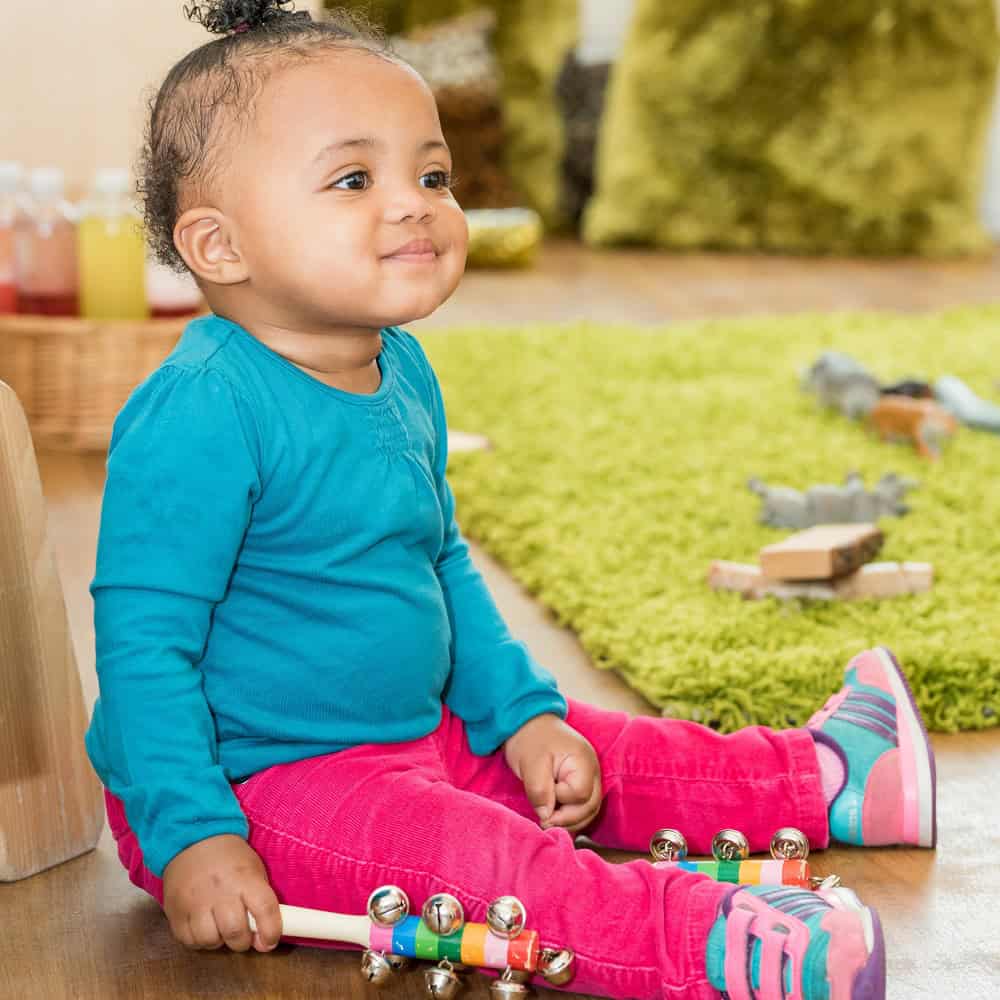
Walk past any of our Thrive Childcare nurseries, and you will almost certainly hear it: the sound of singing, the shake of a tambourine, or the steady beat of a drum. To the casual observer, it looks like pure joy—and it is. But to our Early Years practitioners, a music session is one of the most sophisticated teaching tools we possess.
At Thrive, music is not treated as a “filler” activity or simple entertainment. It is a fundamental component of our curriculum, deeply rooted in neuroscience. Research shows that music ignites all areas of child development: intellectual, social, emotional, motor, language, and overall literacy. It helps the body and the mind work together.
From the first lullaby to complex rhythmic dancing, here is a deeper look into how music and movement shape your child’s brain and prepare them for school.
1. Language, Literacy and the “Sound” of Speech
Music and language share the same neural networks in the brain. Before a child can read the word “cat,” they must first be able to hear the distinct sound of the “c” at the start of the word. This is called phonological awareness, and music is one of the best ways to teach it.
Singing naturally slows down the pace of speech, allowing children to hear the nuances of pronunciation and syllable structure that they might miss in fast-paced conversation. When we clap out the rhythm of a child’s name, we are teaching them syllabic segmentation—a crucial pre-reading skill.
Furthermore, the repetitive nature of nursery rhymes introduces children to new vocabulary and syntax patterns. By nurturing early literacy and communication skills through song, we are laying the groundwork for reading comprehension long before they pick up their first book.
2. Maths in Motion: Patterns and Sequencing
It may seem like a stretch to connect a nursery rhyme to algebra, but music is essentially mathematics in real time. Music is built on patterns, sequences, and timing—the very same concepts used in mathematical problem solving.
- Pattern Recognition: Understanding the structure of a song (verse-chorus-verse) helps children predict what comes next. Recognising patterns is the foundation of mathematical thinking.
- One-to-One Correspondence: When a child bangs a drum to a steady beat, they are practising one-to-one correspondence (matching one action to one sound), which is vital for counting.
- Spatial Reasoning: Action songs that involve moving “up,” “down,” “behind,” or “in front” help children understand geometry and their place in space.
We use rhythm to build a love for maths in the early years, proving that numbers aren’t just for worksheets—they are something you can feel and hear.
3. Physical Development and Coordination
At Thrive, we don’t just sit and sing; we move. Music and movement go hand-in-hand to support physical development, a prime area of the EYFS.
Fine Motor Skills:
Handling instruments requires dexterity. Gripping a shaker, tapping rhythm sticks, or isolating a single finger to press a key on a toy piano strengthens the hand muscles. These are the same muscles your child will eventually use to hold a pencil and write.
Gross Motor Skills:
Dancing involves the whole body. Marching to a beat, jumping, and swaying help develop balance, coordination, and proprioception (the awareness of where your body is in space). We often take our “marching bands” outside into the garden, combining musical expression with the benefits of outdoor play. This allows for larger, more expressive movements that burn energy and build core strength.
4. Emotional Intelligence and Self-Regulation
Music is a universal language of emotion. For young children who may not yet have the vocabulary to say “I feel frustrated” or “I feel over-excited,” music provides a safe outlet for expression.
We also use music as a tool for self-regulation. The tempo of music can directly influence a child’s heart rate and energy levels.
- Up-regulation: We use fast, upbeat songs to lift the energy in the room and get children excited for an activity.
- Down-regulation: We use slow, melodic classical music or lullabies to signal that it is time to wind down, helping children transition calmly into nap time or quiet focus.
5. Social Skills and Teamwork
Making music is rarely a solo endeavour in a nursery setting; it is a communal experience. Participating in a group song creates a powerful sense of belonging.
Children learn to listen to others, take turns with instruments, and wait for their cue. They learn that they are part of a whole—that their contribution matters to the “orchestra.” This collaborative play is essential as we nurture social skills, teaching empathy and cooperation in a fun, low-pressure environment.
How We Embed Music at Thrive
We believe every child is musical. We don’t aim for perfection; we aim for participation. Our curriculum integrates music daily, not just in scheduled “music times” but during transitions, tidy-up times, and free play.
By understanding the child development stages, our practitioners know exactly when to introduce new rhythms, instruments, and songs to challenge your child appropriately.
Come Make Some Noise With Us!
At Thrive Childcare, we are building the foundations for reading, maths, and coordination—all while having a boogie.
Want to see our curriculum in action?
Book a tour at your local Thrive Childcare nursery today and come see (and hear) the difference for yourself.
Our Latest News