From Pincer Grip to Pencils: Unlocking Pre-Writing Skills Through Play
Published on February 12, 2026
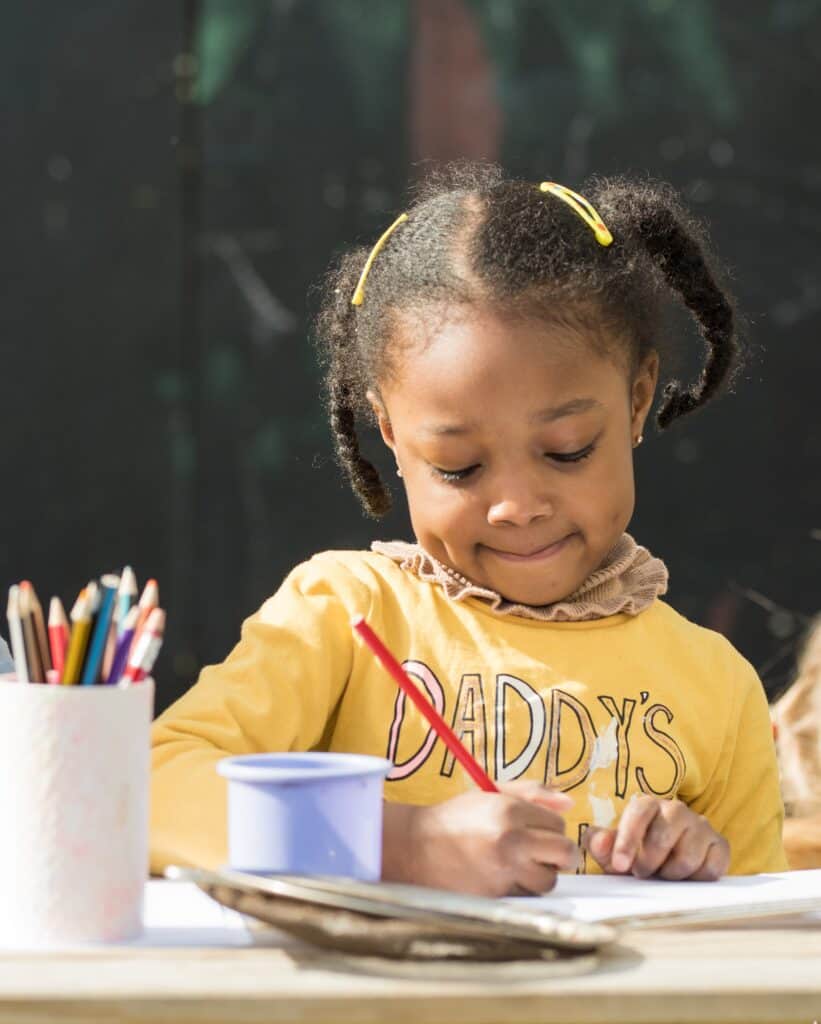
Watch a group of adults in a meeting, and you will see effortless writing: scribbling notes, signing documents, sketching ideas. We rarely stop to think about the incredible complexity behind holding a pen. It requires posture, shoulder stability, wrist control, and the precise coordination of tiny muscles in the hand and fingers.
For a young child, mastering this skill is like learning to conduct an orchestra. It doesn’t happen overnight, and surprisingly, it doesn’t start at a desk.
At Thrive Childcare, we know that the journey to writing begins long before a child ever picks up a pencil. It starts in the sandpit, at the dough table, during tummy time and even climbing trees in the garden. This post explores the fascinating journey of pre-writing skills and how we use purposeful play to get your child ready for school success.
It Starts with the Shoulders (Gross Motor Skills)
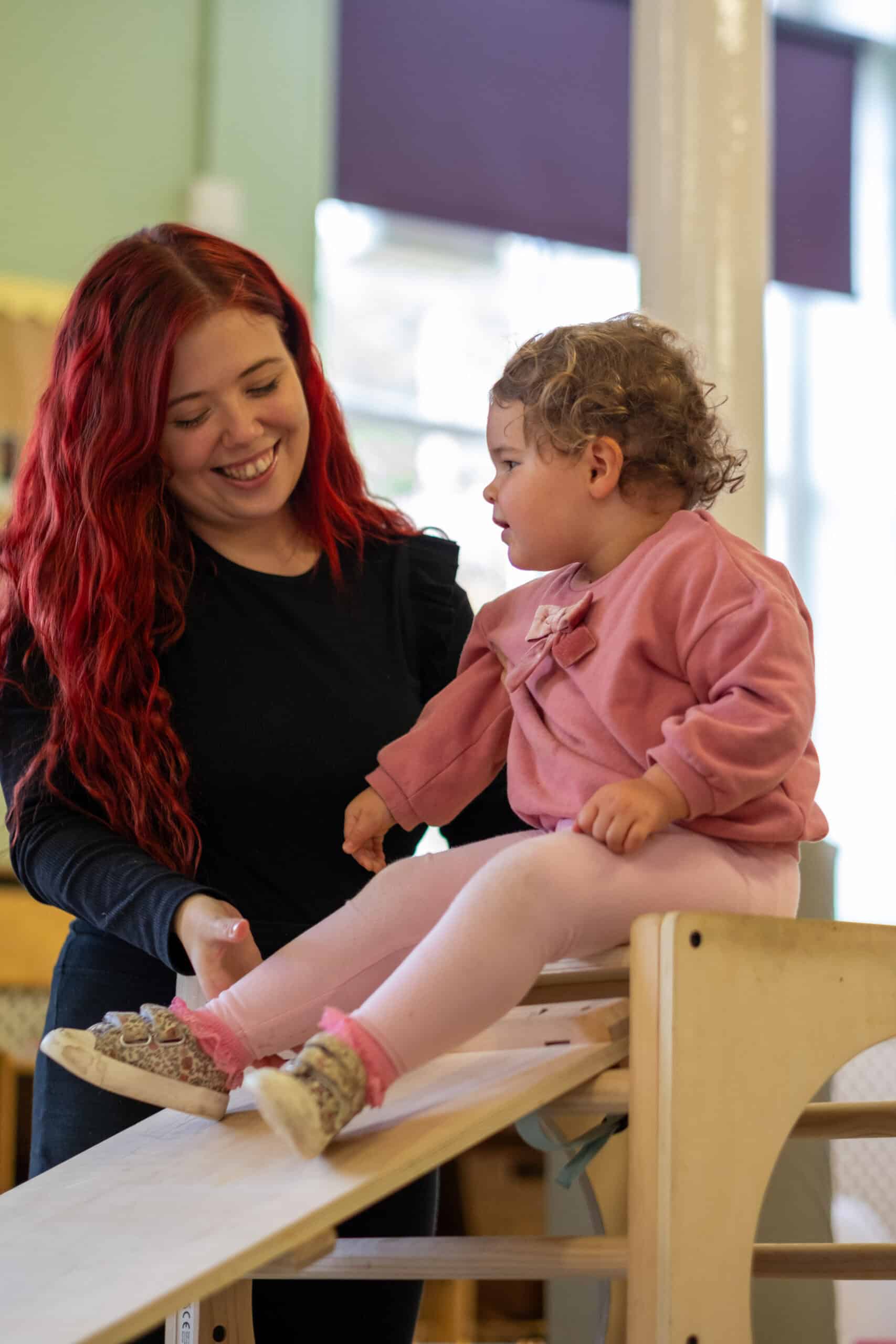
You might be surprised to hear that good handwriting starts with the shoulders and core. Before a child can control their fingers to make small, precise marks, they must first have stability in their body. If a child cannot sit up straight or control their arm movements, they will struggle to control a pencil.
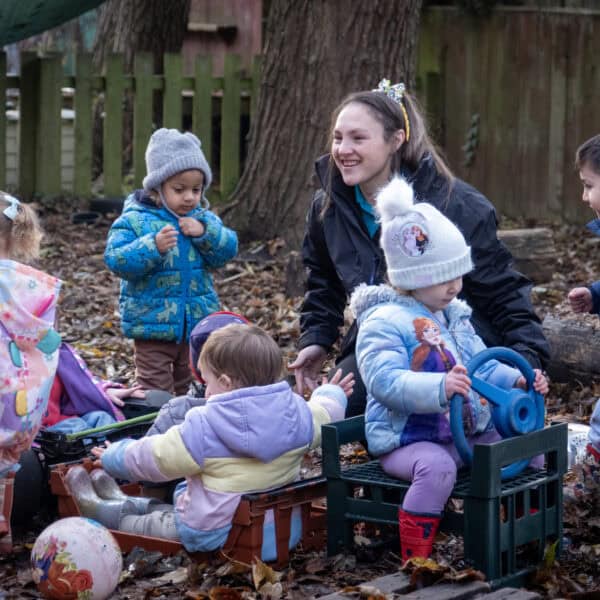
This is why we place such a huge emphasis on physical activity. When your child is swinging from the climbing frame, digging in the mud with a large spade, or sweeping leaves in the garden, they are strengthening their core and shoulder girdle.
As we discuss in our article on the benefits of outdoor play and exploration, these “big movements” are the essential building blocks for the “small movements” needed later. By allowing children to climb, crawl, and carry heavy objects, we are literally building the physical foundation for writing.
The Magic of “Squish”: Building Hand Strength
Once the big muscles are working, we move to the hands. Have you ever tried to write an essay after your hands were cold? It’s difficult and clumsy. Children need to develop immense hand strength and dexterity to hold a pencil comfortably without their hand aching.
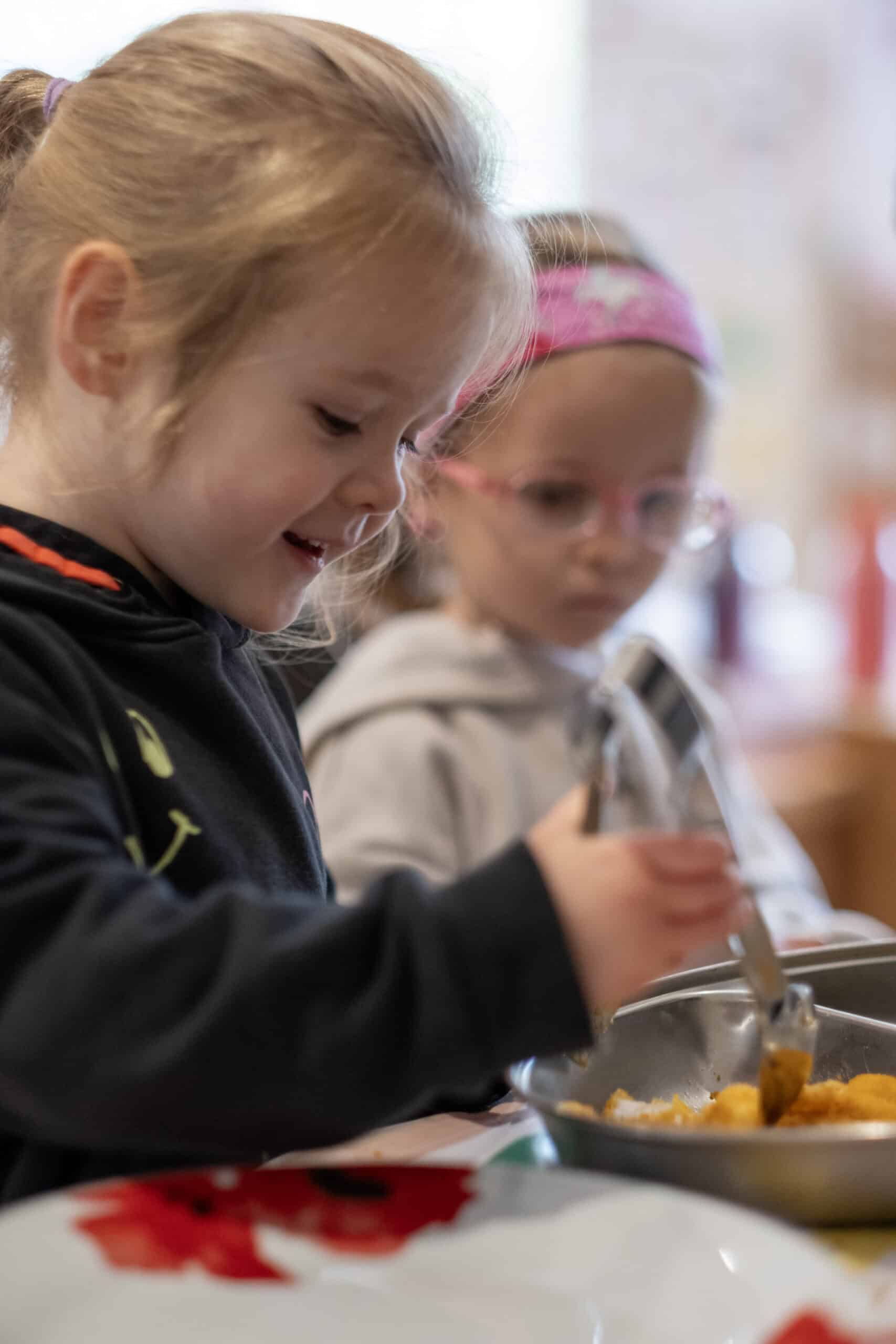
This is where “fine motor skills” come in. In our nursery rooms, you will often see children engaged in what looks like simple messy play—squashing playdough, threading beads, or using tweezers to pick up pom-poms.
While it looks like pure fun, this is serious work for their hands. As we explain in the superpower of squish: why sensory play is vital, squeezing and manipulating malleable materials like dough or clay builds the intrinsic muscles in the palm and fingers. This strength is what allows a child to eventually hold a pencil with a relaxed, controlled grip rather than a tight, white-knuckled fist.
The Famous “Pincer Grip”
One of the key milestones we look for is the development of the “pincer grip”—using the thumb and index finger to pick up small objects. You might see this first when a baby picks up a single pea from their highchair tray.
At nursery, we encourage this through games that require precision.
- Threading: Pushing a lace through a bead requires excellent hand-eye coordination.
- Pegging: Helping to peg artwork onto a drying line uses the same muscles needed to hold a pen.
- Pipettes: Squeezing water droppers in the water tray isolates the fingers and builds strength.
These activities are part of our broader philosophy on the power of play. We believe that play is the most important “work” a child can do. By embedding skill-building into games, children practice these movements thousands of times without ever feeling bored or pressured.
From Mark Making to Meaning
Before children write letters, they “make marks.” Mark making is the first step towards communicating on paper. It might look like a chaotic scribble to an adult, but to a child, that squiggle is a dog, a car, or their name.
We provide endless opportunities for mark making that don’t involve a worksheet.
- Sensory Writing: Using fingers to draw shapes in a tray of shaving foam, sand, or glitter.
- Big Art: Using large brushes and water to “paint” on the outdoor walls or fences.
- Chalking: Drawing on the pavement or blackboards.
These activities allow children to experiment with cause and effect—”I move my hand, and a line appears!”—which is the fundamental concept of writing. We encourage you to try similar activities to encourage creativity and imagination at home, as identifying shapes and patterns in their own drawings helps children eventually recognise the shapes of letters.
Emotional Readiness and Confidence
Writing is a risky business. It requires a child to make a permanent mark that others can see. For some children, the fear of “getting it wrong” can be a barrier.
We focus heavily on building confidence. We celebrate the effort, not just the result. “Wow, look how hard you pressed with the crayon!” is better than “That doesn’t look like a cat.”
By fostering a “can-do” attitude, we ensure that when they do start school, they are emotionally ready to tackle the challenges of literacy. This emotional preparation is a key component of how Thrive nurtures a seamless transition to primary school, ensuring they leave us not just with strong hands, but with strong self-belief.
Bringing it Home: 3 Simple Activities
You don’t need expensive equipment to support pre-writing skills at home. Here are three easy wins:
- Dough Disco: Put on some funky music and give your child some playdough. Encourage them to poke it, squeeze it, roll it into a ball, and flatten it like a pancake to the beat of the music. It’s a workout for the hands!
- Kitchen Helper: Let them use tongs to serve salad, or a whisk to mix eggs. These real-life tools require coordination and strength.
- Spray Bottles: Give them a spray bottle filled with water and let them “water” the plants or clean the windows. The squeezing action of the trigger is fantastic for isolating the index finger.
Writing the Future
The road to writing is paved with play. By climbing, squishing, threading, and scribbling, your child is building the complex toolkit they need to one day write their own story.
At Thrive, we are privileged to watch this transformation happen. From the first clumsy grasp of a rattle to the confident control of a paintbrush, we support every step of the journey. So, the next time you see your child covered in mud or deep in a pile of playdough, remember: they aren’t just making a mess—they’re learning to write.
Our Latest News